Invented Heritage, Brand Authenticity, and the Dissertation Journey: Lessons from an Award-Winning Dissertation
Written by Younseok Song (Runner-up for the Dean’s Dissertation Prize)
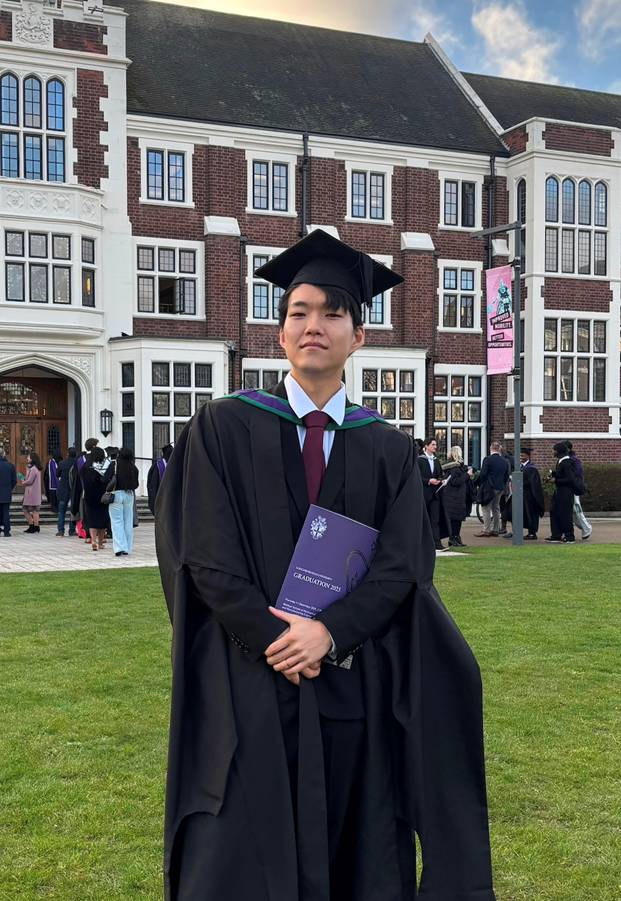
Writing my dissertation was the highlight of my Master’s degree. It was a precious time of intense intellectual growth, demanding active critical thinking and rigorous research. While I was personally satisfied with the outcome, I was thrilled and honoured to see my work recognised as the Runner-up for the Dean’s Dissertation Prize. In this blog post, I would like to reflect on the two biggest challenges I faced during my research and how I overcame them. I hope this post will be helpful to those starting their research or anyone finding the dissertation process daunting.
My Research: Invented Heritage and Brand Authenticity
My research explored the question: How do different types of invented heritage used by luxury perfume brands impact Perceived Brand Authenticity (PBA)? In the first phase, I conducted a multiple-case study and categorised the types of invented heritage into four strategies: acquisition, inspiration, forgetting, and fantasising. In the second phase, I conducted interviews to assess the impact of each strategy on PBA. I discovered that while ‘acquisition’ and ‘inspiration’ generally have a positive impact, ‘forgetting’ and ‘fantasising’ tend to have negative, yet mixed and nuanced effects. Ultimately, I concluded that consumers are not historical purists, but rather sophisticated interpreters of narrative who demand honesty.
Challenge 1: choosing the Topic Strategically
The first hurdle was defining the topic. If you want to write a valuable dissertation, you must approach topic selection strategically. Instead of starting from scratch or picking an “easy” topic, it is crucial to choose something you are genuinely curious about. Do not forget that a dissertation is a marathon, not a sprint—often lasting around seven months—so maintaining your passion is key.
A dissertation becomes truly valuable when it offers a novel discovery and contributes new findings. I started with the broad area of “deceptive branding,” a subject I have been interested in for years. I invested significant time reading existing literature to identify gaps and pinpointing exactly what I wanted to explore. Eventually, I settle on a novel topic: the impact of invented heritage on perceived brand authenticity.
Challenge 2: Defining the Scope
The second challenge was deciding the scope of my literature review. The more I read, the more I realised how many subjects were interconnected with my topic. When I struggled with trying to cover too many areas, my supervisor, Dr. Antonius van den Broek, helped me set the right direction by prioritising selective areas. He also emphasised feasibility. Do not forget the submission deadline and words limits. Following his advice, I narrowed my focus to the three subjects most relevant to my topic. This allowed me to gain a substantial understanding of those areas and transition smoothly to the next stage of research.
You Are Not Alone
It is normal to feel overwhelmed when you first start your research; I was no exception. Please remember that at Loughborough University London, there are many professionals besides your supervisor who are eager to support you. I received excellent support from Bess Chan at the Academic Language Support Service (ALSS). She provided valuable feedback and advice on my academic writing. If you need help, I strongly recommend engaging with your supervisor and actively using the university’s support services.
A big thank you to Younseok Song for writing this blog!
Considering postgraduate study? Explore our website to discover more about postgraduate degrees and how to apply!


Loughborough University London
Blogging everything that’s happening at Loughborough University London