Inside Our Toy Safety Treaty Negotiation Simulation
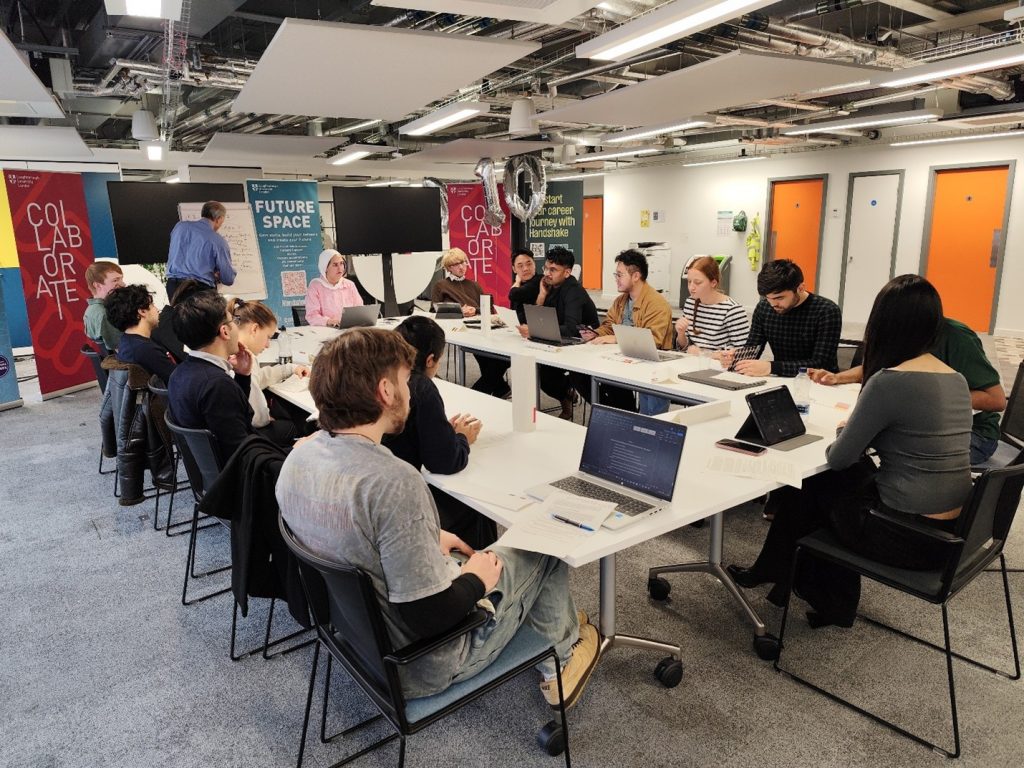
By: Nadeen Maher Mohamed Studying for MSc Security, Peace-building and Diplomacy
In the Institute for Diplomacy and International Affairs (IDIA), students are consistently offered practical and immersive experiences that bring diplomacy, negotiation, and international policy to life.
For those taking the module “Negotiation – Strategy, Skills and Leadership” taught by Dr. Nicola Chelotti, the Toy Safety Treaty Simulation provided a unique opportunity to apply classroom theory to realistic diplomatic scenarios and strategic decision-making.
Negotiating Competing Interests
Negotiation lies at the heart of international cooperation, and our simulation highlighted just how intricate these processes can be. We worked on a proposed ‘Treaty on the Approximation of Laws Concerning the Safety of Toys’, taking on the roles of intergovernmental delegates responsible for shaping a shared legal framework. What began as a technical policy exercise quickly revealed political, economic, and ethical dimensions, offering an authentic glimpse into the complexities of multilateral decision-making.
Each student represented a country navigating competing interests, advocating national priorities, and collaborating toward common goals. The simulation unfolded over several stages: individual preparation, bilateral discussions, and multilateral negotiations where all delegations debated the treaty text.
Guided by Dr. Adam Steinhouse, an independent international lecturer and former Head of the School of European Studies at the UK National School of Government, we gained valuable insights into strategic negotiation and international dialogue. Acting as delegates in the Intergovernmental Law Conference (ILC) Toys Treaty Working Group, we addressed concerns over unsafe products and the absence of unified standards. The Conference’s Secretariat, represented by one of the students, provided a draft treaty defining toys, outlining essential safety requirements, explaining the ILC conformity mark, and detailing procedures for withdrawing unsafe products.
Negotiation proved more challenging than anticipated. Each country brought different political, economic, and safety priorities. Some advocated stricter measures, while others aimed to protect national industries or preserve economic flexibility. Progress required compromise, careful dialogue, and balancing domestic interests with collective goals, highlighting the nuanced and delicate nature of international cooperation.
Skills Developed and Lessons Learned
The simulation offered hands-on experience of a realistic diplomatic scenario, helping students analyze competing priorities, identify key interests, and determine areas for compromise. It highlighted the importance of clear communication, as we practiced presenting arguments persuasively, responding to concerns, and engaging in constructive dialogue. Informal discussions and active listening helped uncover common ground even when positions initially conflicted. The exercise also fostered strategic flexibility, requiring students to adapt approaches as negotiations evolved while keeping shared objectives in focus.
Students’ Reflections
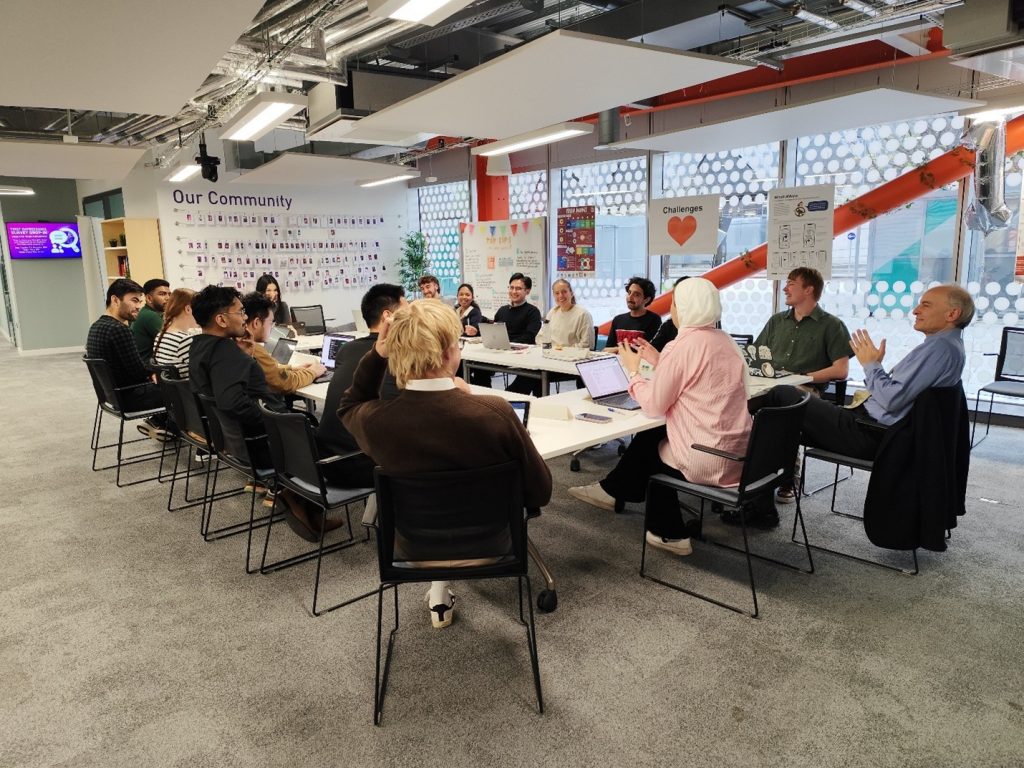
Students found the negotiation session both thought-provoking and highly engaging. One student, Céline Erciyas, shared:
“This simulation showed me the delicate balance between national interests and international cooperation. I learned that successful negotiation requires patience, collaboration, and flexibility to reach an agreement that satisfies all parties.”
Another student, Rashane Pintoe, noted:
“It was a really interesting simulation that had a lot of parallels to Model UN scenarios. All the students were very well engaged, and it was a great learning experience. I thank Dr. Steinhouse, Dr. Nicola and Loughborough University’s IDIA for the opportunity.”
The Toy Safety Treaty Simulation offered more than just a classroom exercise; it provided an immersive experience in the art and practice of diplomacy. By navigating complex negotiations, balancing national and collective interests, and engaging with real-world decision-making processes, students gained a deeper appreciation for the skills, patience, and strategic thinking required in international diplomacy. This experience reinforced that meaningful agreements are built through collaboration, adaptability, and a commitment to shared values, leaving students better prepared to contribute effectively to professional diplomatic and policy contexts.


Loughborough University London
Blogging everything that’s happening at Loughborough University London