Copyright and Sustainability: Why Upcycling Challenges Traditional IP Boundaries
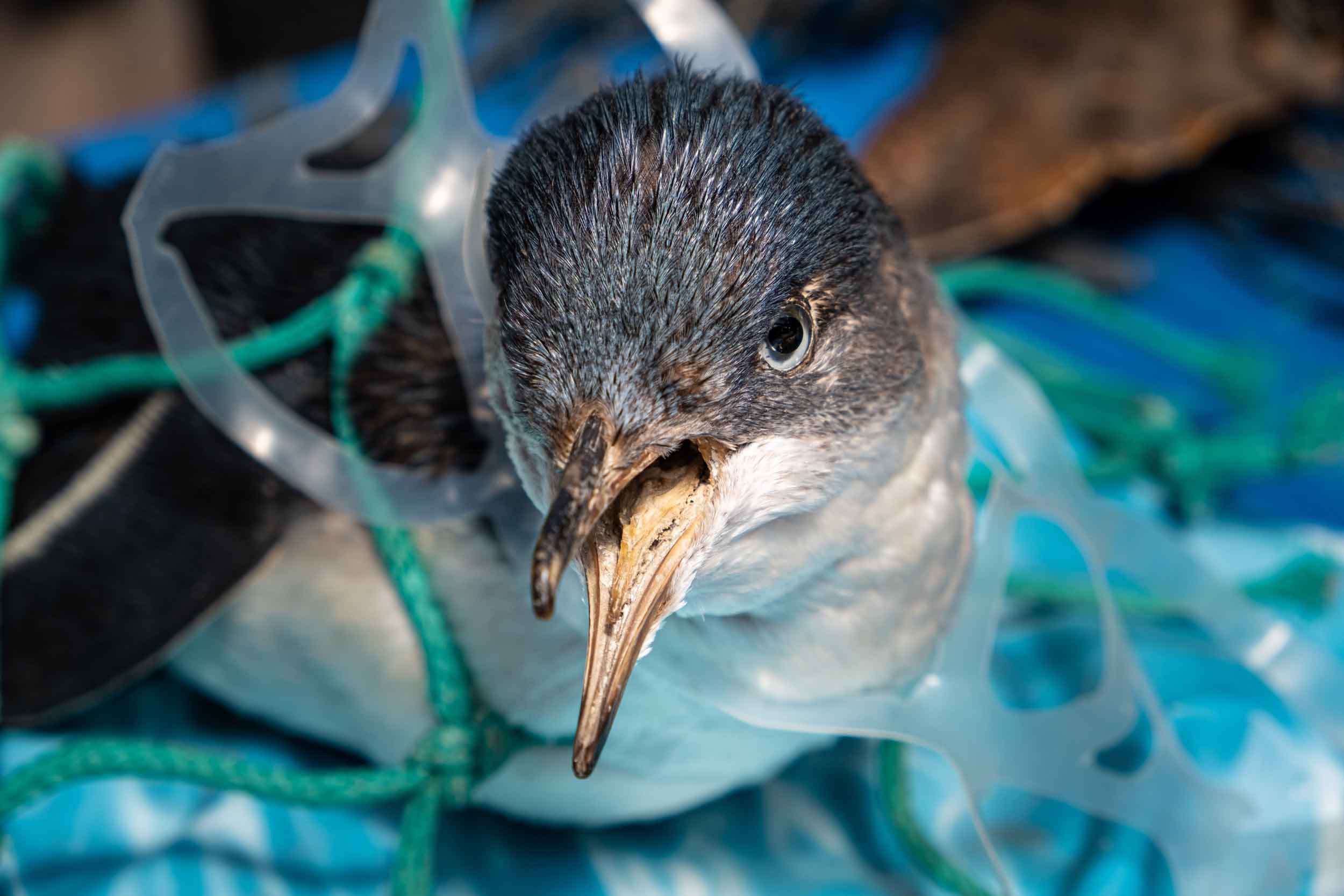
If you read this blog, you might have noticed that I advocate a lot for sustainability. We only have one planet and the news about its survival is not great. So far there have been five mass extinction events, the fifth one saw the dinosaurs disappear. We are now rapidly going towards the sixth mass extinction event.
Unlike earlier mass extinctions driven by natural forces, the current sixth mass extinction is largely the result of human activity. Its main drivers include the unsustainable exploitation of land, water, and energy resources, as well as climate change. Today, around 40% of the Earth’s land surface has been transformed for food production. Agriculture alone is responsible for approximately 90% of global deforestation and consumes about 70% of the world’s freshwater, profoundly disrupting ecosystems and destroying habitats for countless species.
I really know how to bring things down, do I not? But it is important to understand that we all live together on this planet. For example, no pollinators, no food. When I was a child, growing up in somewhat rural Romania, during Summer there was always a hum in the air: bees, wasps, so many butterflies, Old World Swallowtail for example, and so many moths the moment the sun went down. Especially the hummingbird hawk-moth which is very cute. But in the UK, I have noticed a drop in pollinators. Yes, invasive species like the evil Asian hornet are not helping. Or the upcoming super or not so super El Nino, however strong or not it will be, it will still most likely have devastating effects on the climate and biodiversity.
There are some positive news out there but more should be done. Now I am sure by now you are wondering why I am talking about climate when this blog is about copyright. Well, because copyright and other IPs can have an unwanted effect on sustainability. Specifically fashion and upcycling *cue dramatic music*.
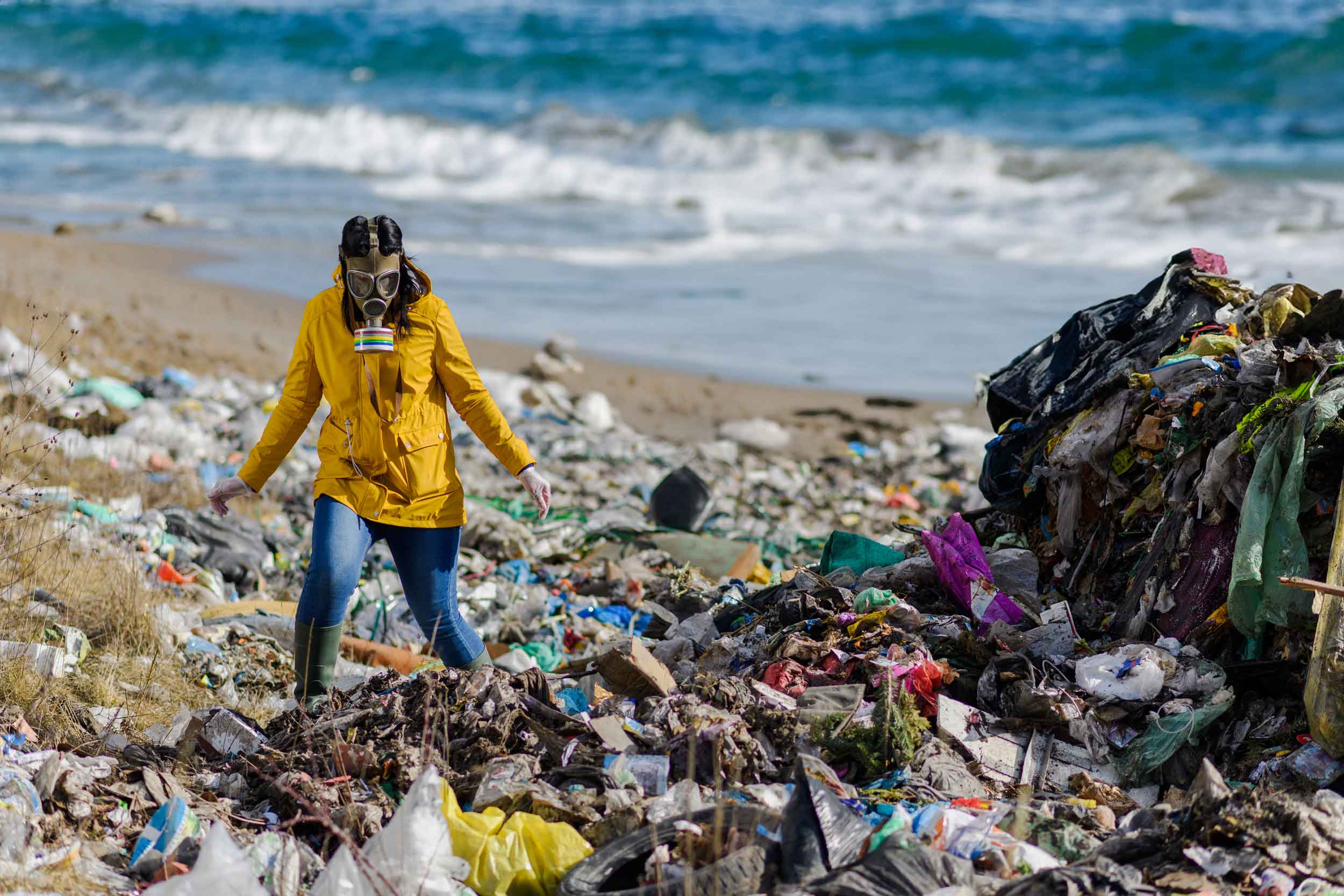
The Rise of Upcycling in the Circular Economy
Upcycling is not a new term. Prior to the Industrial Revolution, upcycling was a common practice to repair goods. Upcycling is basically using by-products, waste materials, useless, or unwanted products, and transforming them into new materials which are perceived to have greater quality, due to artistic or environmental value.
Upcycling is a key strategy within the circular economy, aimed at reducing resource consumption by increasing the value of existing products and keeping materials in use for longer. By promoting repair and repurposing, upcycling extends product lifespans and helps minimise waste. As global population growth continues to drive higher levels of consumption and disposal, sustainable practices such as upcycling play an important role in addressing these challenges. By combining recycling methods with creative innovation, upcycling transforms materials without degrading their quality.
Traditional IP Frameworks: Built for a Linear Economy
As mentioned throughout the multiple blog posts, which you can browse and have a read, anything and everything we use in our daily life, has multiple IPs associated with it. A good example would be the latest blog post around board games, Pass Go, Collect Copyright: The Legal Side of Board Games.
Copyright, trademark, and design rights are all structured around clear notions of authorship, ownership, and controlled distribution. These frameworks are designed to protect original works and maintain the integrity of brands within a predictable commercial lifecycle. However, they were not developed with reuse, modification, or extended product lifespans in mind. As a result, when products are repurposed or reintroduced into the market through upcycling, these legal structures can struggle to accommodate practices that challenge their foundational assumptions. As well as their bottom line.
The global fashion and textile industry continues to rely heavily on linear business models centred on the constant production of new garments and accessories. In many cases, these items are effectively designed with disposability in mind, as rapidly shifting, artificially constructed trends encourage consumers to refresh their wardrobes season after season. Such “trash-by-design” models are fundamentally at odds with sustainability objectives, including those outlined in initiatives like the EU Green Deal, and are widely regarded as environmentally unsustainable.
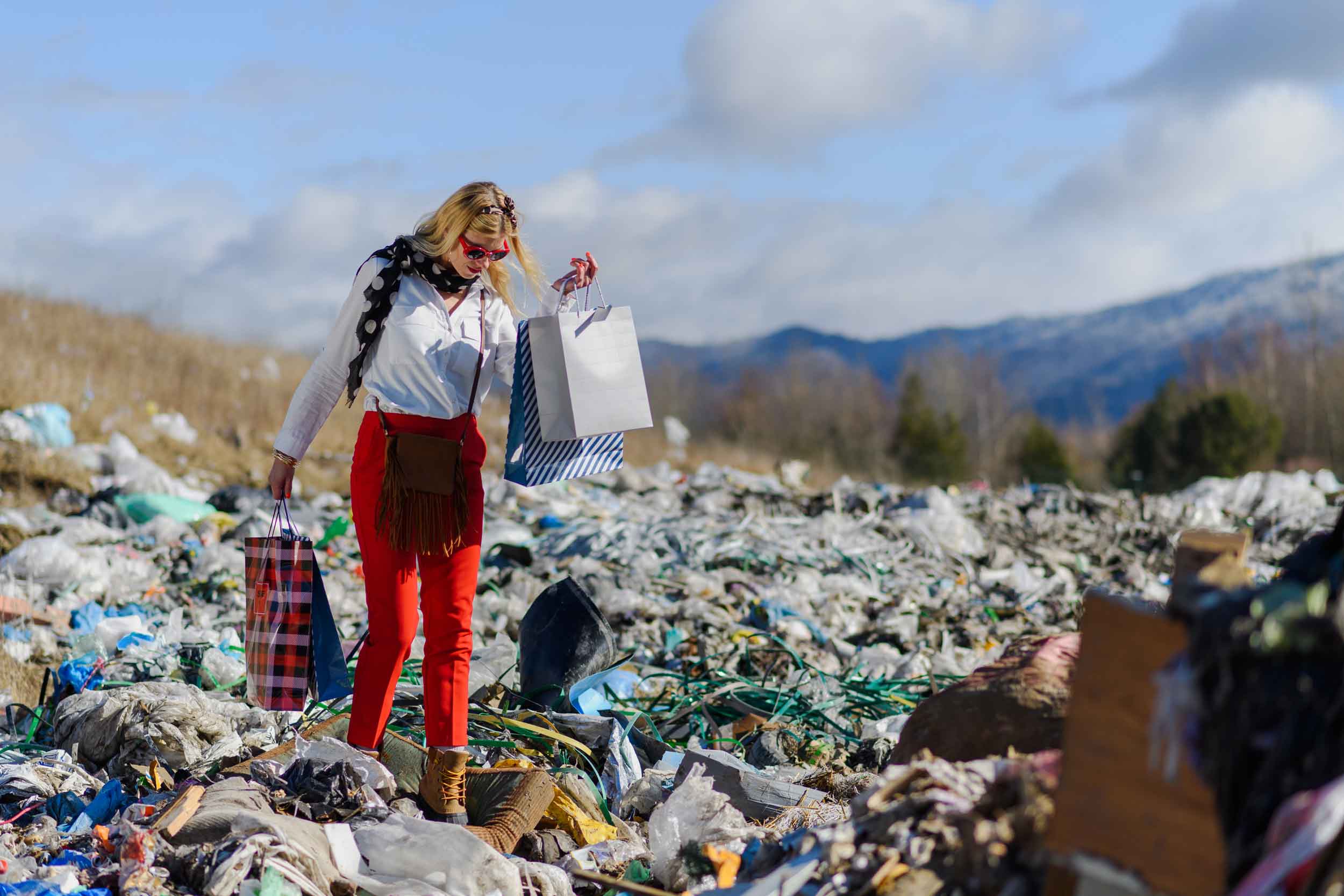
As a result, the fashion and textile sector has become one of the largest contributors to global pollution, accounting for an estimated 10 per cent of worldwide carbon emissions, more than international aviation and maritime shipping combined. Driven by the expansion of the global middle class, clothing consumption has risen sharply throughout the twenty-first century. This pattern of conspicuous consumption is especially pronounced in wealthier regions of the Global North. For instance, the average individual in Scandinavia purchases between twenty-six and forty-eight garments each year and discards approximately eleven kilograms of textiles. Similarly, reports suggest that the average consumer in the United States purchased as many as sixty-eight new garments in 2018 alone. Meanwhile, vast quantities of discarded clothing are exported from the Global North to countries in the Global South. It is estimated that around half a million tonnes of textile waste from developed nations end up in landfills in developing countries, much of which may never be recycled.
In Ghana, these clothes are called “dead white man’s clothes”. This is what our addiction, fashion influencers and fast fashion brands do. They tell us we cannot live without it, when we can.
When Ownership Ends and IP Rights Persist
Under the principle of exhaustion, intellectual property law generally permits the resale of genuine products within a particular country or region. Once a product has been placed on the market by the rights holder, or with their consent, such as through licensed manufacturers or authorised distributors, the relevant IP rights are typically considered exhausted. As a result, the rights holder is no longer able to prevent third parties from reselling those goods. This principle, in varying forms, applies across trademark, copyright, and design law.
However, this freedom does not necessarily extend to products that have been altered. For instance, under EU trademark law, although the authorised first sale of branded goods within the European Economic Area (EEA) may exhaust trademark rights, the trademark owner can still oppose further commercialisation where there are “legitimate reasons” to do so. Such reasons arise where the condition of the goods has been changed or impaired after they were placed on the market, precisely the situation in many cases of upcycling.
Simply put, I can sell unloved items on eBay or Vinted or whatever marketplace there is for preloved items, but I cannot change it and resell it as something else.
Upcycling as Transformation or Infringement?
Upcycling often involves modifying existing products in ways that raise difficult legal questions about transformation and originality. At what point does an altered item become a new creation, rather than an unauthorised adaptation? In some cases, upcycling may be seen as a creative, value-adding process that produces something distinct from the original work. In others, it may be viewed as infringing on the rights of the original creator, particularly where identifiable elements, such as logos or distinctive designs, are retained. The lack of clear thresholds for what constitutes sufficient transformation means that many upcycling activities exist in a legal grey area.
Although discussions of upcycling often focus on copyright, trademark law is frequently at the centre of legal disputes. Trademarks function to indicate the origin of goods and to protect brand identity, making them especially sensitive in cases where branded products are altered and resold. If an upcycled item retains visible branding, there is a risk that consumers may assume it has been endorsed or authorised by the original brand. This potential for confusion can give rise to claims of infringement or passing off. As a result, even where upcycling involves substantial creative input, the continued presence of trademarks can significantly increase legal risk.
A Paris court has recently ruled in favour of Chanel in a dispute with Kamad Reworked, finding that the French upcycling company infringed Chanel’s trademarks by selling jewellery incorporating branded buttons, hardware, and other elements bearing the iconic interlocking “CC” logo and CHANEL word marks. The court rejected Kamad Reworked’s argument that its products constituted independent upcycled creations derived from authentic Chanel goods and were therefore exempt from trademark liability. Instead, it held that the use of genuine Chanel components does not permit their incorporation into new designs for commercial sale without Chanel’s authorisation.
Competing Interests: Sustainability vs Brand Control
Let me be clear, as someone who works in IP and advocates for IP rights, this blog is not meant to be a bashing of brands, but a realisation that we cannot continue as we have, and we are the ones that can create change.
Although intellectual property rights are not absolute monopolies, they confer a broad and expanding scope of protection on creators, innovators, and businesses. Their purpose is to incentivise creativity and innovation by ensuring that those who produce culturally, economically, or socially valuable outputs, across fields such as art, literature, science, and industry, can reap the rewards of their efforts.
Upcyclers:
- Promote waste reduction
- Encourage creativity and reuse
Brands:
- Protect reputation and quality
- Control commercial use of their identity
The legal challenges surrounding upcycling reflect a broader tension between sustainability goals and the protection of intellectual property rights. On one hand, upcyclers contribute to environmental objectives by reducing waste and promoting resource efficiency. Their work often embodies principles of creativity, repair, and reuse that are central to the circular economy. On the other hand, brands have legitimate interests in safeguarding their reputation, ensuring quality control, and maintaining the exclusivity of their products. These competing priorities can bring sustainability advocates and rights holders into conflict, highlighting the difficulty of balancing environmental innovation with established legal protections.
Redrawing IP Boundaries in a Sustainable Future
So how do we redraw the lines of IP protection and a sustainable future?! An answer to this might be the human right to a healthy environment.
Over the past fifty years, the efforts put in toward sustainable development, the intellectual property system has often been misaligned with these objectives. As this position is increasingly seen as unsustainable, there is a growing need to integrate sustainability considerations and principles into the intellectual property rights framework.
Until the laws fit the world we wish to live in, we need to create a sustainable future. For example, using apps like Good on you, which highlight brands that do go the extra mile in sustainability but also human and animal rights. You could try:
- Eat less (and better) meat and dairy
Shift towards more plant-based foods to reduce your environmental impact and lower emissions from livestock farming. - Avoid products containing palm oil
Palm oil production is a major driver of deforestation and biodiversity loss, particularly in Southeast Asia. - Reduce food waste
Plan meals, use leftovers, and avoid overbuying to cut down on the significant amount of food wasted globally. - Buy less and prioritise quality
Reduce overall consumption by purchasing fewer, longer-lasting items and repairing instead of replacing. - Choose sustainable wood and paper products
Opt for reclaimed, recycled, or responsibly sourced materials to help protect forests and ecosystems. - Be mindful of overconsumption
Recognise how constant purchasing drives environmental harm and focus on consuming only what you need. - Support ethical and sustainable production practices
Use your purchasing power to back companies that prioritise environmental protection and fair supply chains.
For example, I am pescatarian (mainly cause it’s hard to find vegetarian meals when going out, especially in small rural areas in Eastern Europe). The backlash I got when I decided to go initially vegetarian in Romania…I was constantly bombarded with I am unhealthy and ill, and what do I eat….I also tend to use natural products as much as possible, beauty products I tend to buy from South Korea because they are generally (not always) cleaner than Western products. We have only one car in our household, it is electric, and we are moving away from gas heating by installing an air source heat pump and looking at getting solar panels. Many people nowadays will look at buying homes that are green and eco-friendly. I refuse to look at any homes that do not have air source heat pumps or solar panels.



We have only one planet Earth, let’s make sure we protect it!
Further reading
Copyright Moral Rights Protection and Environmental Sustainability
Upcycling under EU copyright law: from infringement risks to protectability requirements
Upcycling and refurbishment: A guide for trade mark owners
Is Upcycling the New IP Infringement?
The Cambridge Handbook of Intellectual Property and Upcycling
The Environmental Impact of Fast Fashion, Explained
Fast fashion: EU laws for sustainable textile consumption
This Earth Day 🌍I wanted to take pause and consider fast fashion and waste [Instagram post]
A Critical Lens on Shein’s Extended Producer Responsibility Fund: Fast Fashion Greenwashing?
20+ absurd facts & stats about fast-fashion’s impact
Fashion Waste – 2025 Facts & Statistics
Toolkit: How To Sustainably Shop For Your Clothes
Everyday choices impact our planet
The information contained in this blog post should be taken as recommended advice or guidance but should not be taken as legal advice. If in any doubt, please seek proper legal advice. Images licensed from Adobe Stock.


Open Research
Copyright, Open Access and all things Open Research