Black History Month 2026: Honouring Our Community
Black History Month is an opportunity to celebrate individuals whose contributions have shaped our communities, challenged barriers and inspired future generations. Here at Loughborough, we want to honour the achievements of some of our alumni.
The stories of Yusef and Benyam Workinah Martin, Malcolm Joseph Mitchell, and Karim Olowu reflect not only individual success, but also the wider impact that Black students and alumni have had on society.
Further details on these remarkable individuals along with more photos and associated material can be found in an exhibition created by the University Archives, Pilkington Library, 1 – 31 October 2026.
The Martin Brothers: Courage in the Face of Conflict
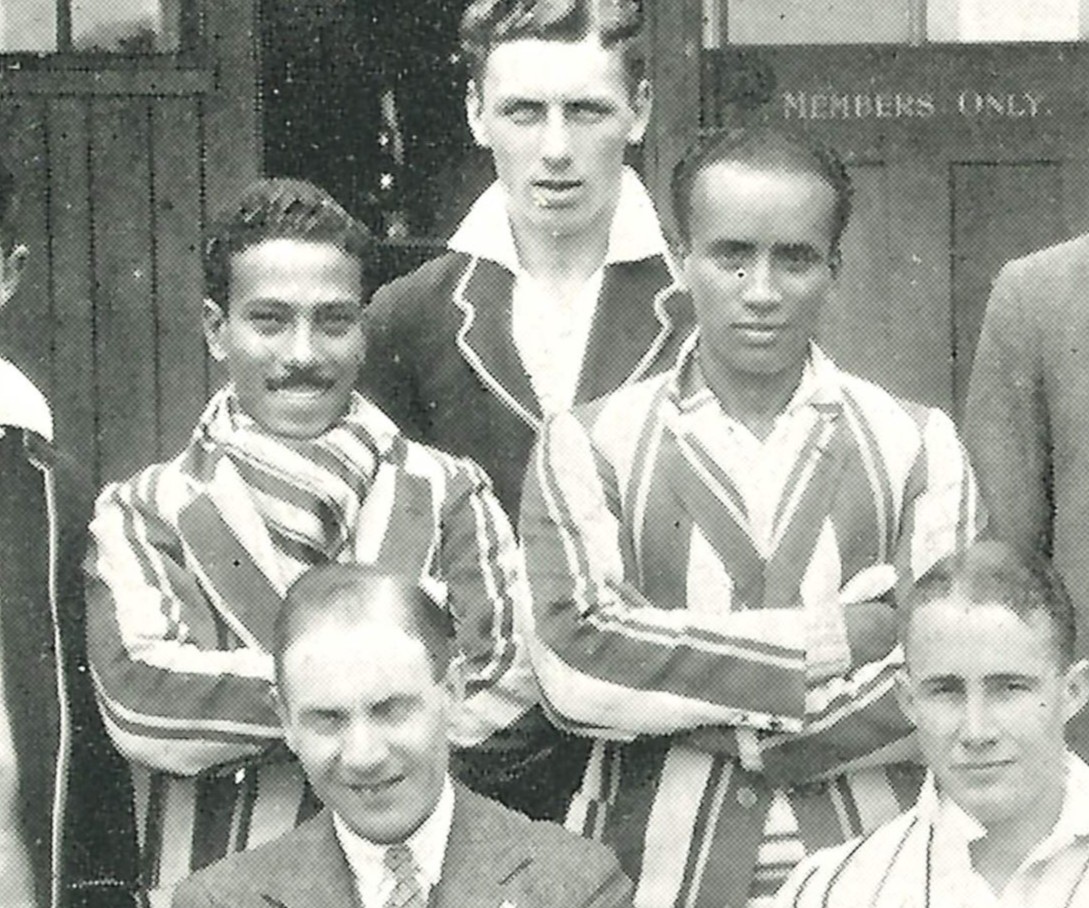
Brothers Yusef and Benyam Workinah Martin arrived at Loughborough College from Ethiopia in the 1930s. They were sons of Hakim Workinah Eshete, the first Ethiopian to qualify as a medical doctor, and later Ethiopian Ambassador to London. Both brothers undertook engineering degrees whilst also excelling at sport.
Their time at Loughborough coincided with a period of growing international uncertainty, and after returning to Ethiopia, they found themselves at the centre of one of the defining struggles of their nation’s history.
As the Italian invasion of Ethiopia unfolded, the brothers joined the resistance effort, serving their country in various capacities. After the country surrendered to Italy in May 1936, the brothers were put to work in Italy’s central workshop in Addis Ababa. Involvement in an assassination attempt ultimately led to their arrest and death as part of ‘The Addis Ababa Massacre.’
Their story is a reminder of the struggles of colonised nations and the bravery and resilience of those involved in resistance.
Malcolm Joseph Mitchell: Championing Equality and Representation
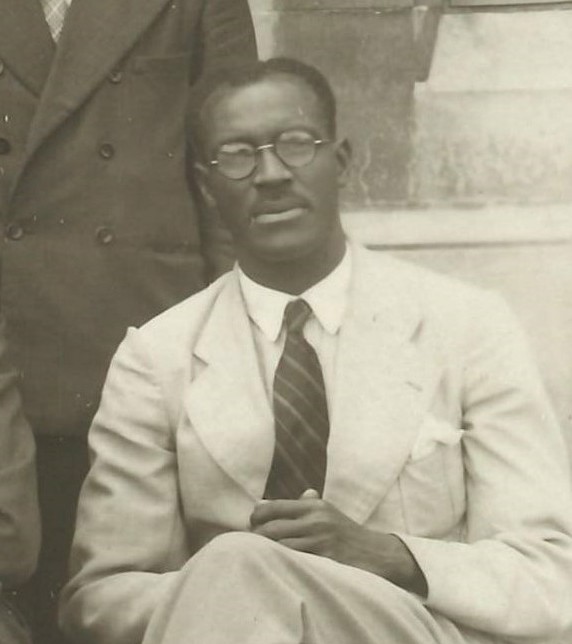
For Malcolm Joseph Mitchell, Loughborough was the beginning of a lifelong commitment to leadership and advocacy. Born in Trinidad, he arrived in Britain to study Commerce at Loughborough in 1938. He became an active and respected member of the student community, participating in both sport and other student societies alongside his studies.
After graduating in 1941, Mitchell became involved with the League of Coloured Peoples, one of Britain’s earliest organisations dedicated to promoting racial equality and challenging discrimination. Through his work as General Secretary, he helped advance conversations around representation, rights and opportunity for Black people. His contribution helped lay foundations for future progress and highlights the important role that Black leaders have played in shaping a more inclusive society.
Karim Olowu: Breaking New Ground in Sport
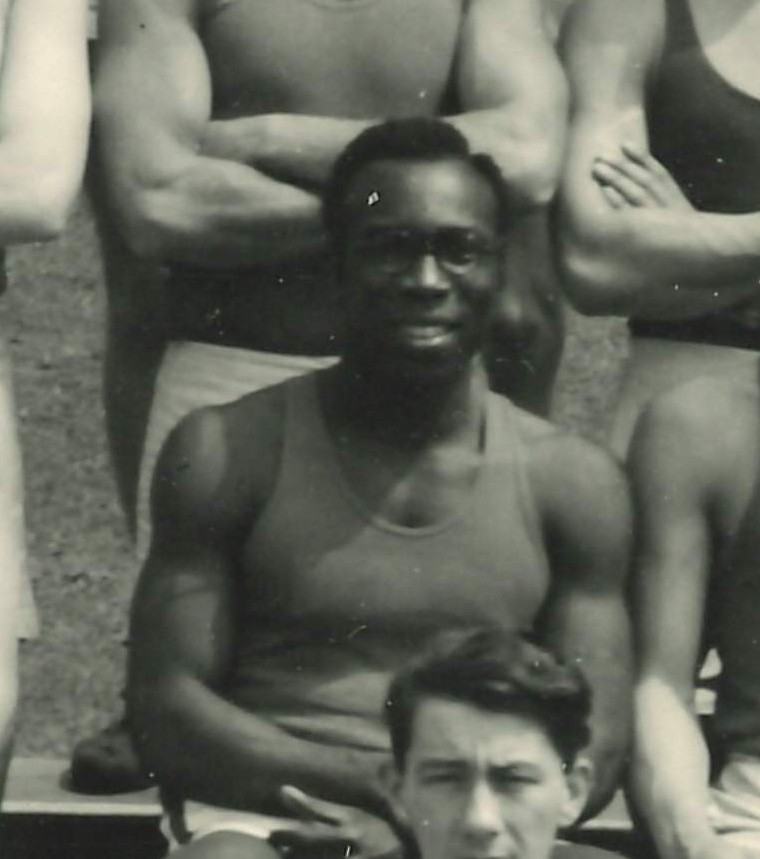
Like Mitchell and the Martin brothers, Karim Olowu arrived at Loughborough with ambition and talent. Coming from Nigeria on a scholarship to study Physical Education in 1952, he quickly established himself as an outstanding athlete, setting college records and earning recognition for his performances.
His success at Loughborough proved to be the beginning of a distinguished sporting career. Olowu went on to become one of Nigeria’s pioneering international athletes, winning medals at the Empire Games and representing his country at the Olympic Games in the 1950s. Beyond his personal achievements, he dedicated much of his life to the development of athletics in Nigeria, helping to create opportunities for future generations. His legacy demonstrates the lasting influence that sporting excellence can have when combined with a commitment to supporting others.
A Shared Legacy
Each of these remarkable men came to Loughborough from abroad, bringing with them unique experiences, perspectives and ambitions. Each embraced opportunities beyond the classroom, whether through sport, leadership or community involvement. Most importantly, each used their talents not solely for personal success, but in service of a greater cause. Their stories remind us that the legacy of a university extends far beyond its campus, carried forward by graduates whose contributions shape communities, nations and generations to come.
Images are from the Loughborough University Archive.


Open Research
Copyright, Open Access and all things Open Research