Seasonal Eating – what is it and why does it matter?
In a world where we can buy strawberries in December, and pumpkins in May, the concept of eating seasonally can seem a bit odd. But behind its name, seasonal eating provides a powerful shift in how we eat, shop and connect with our food. Seasonal eating isn’t just nostalgic – it’s better for our health, our wallet, and the planet.
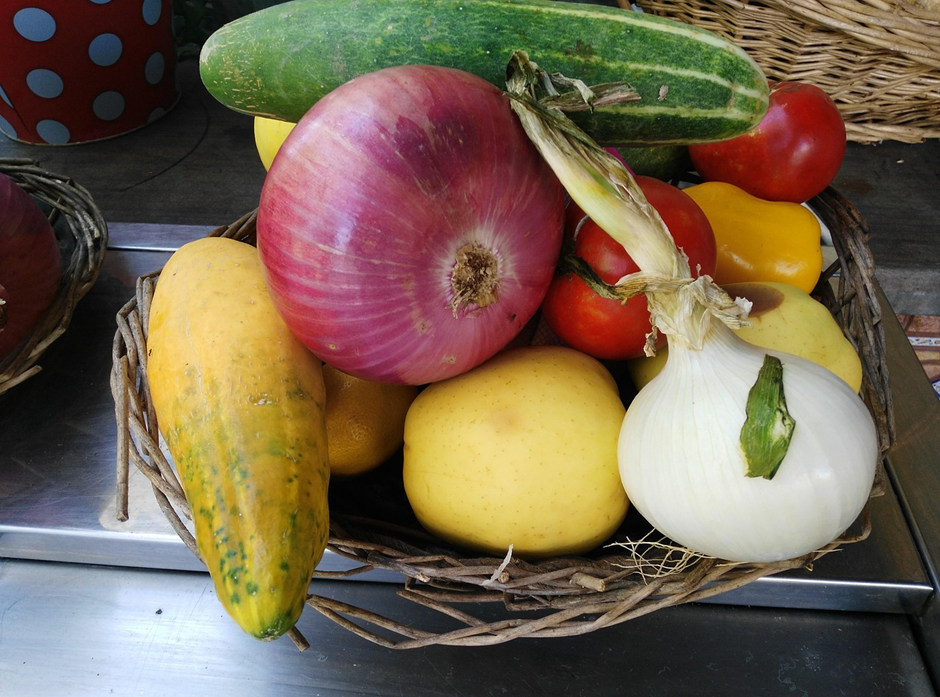
What is Seasonal Eating?
Eating seasonally means eating foods that are naturally in harvest at that time of year. Eating out of season produce means flying it in from overseas or using intensive farming methods such as pesticides and greenhouses to force them to grow year-round. Both of these use lots of resources and come with huge carbon footprints.
Why is Seasonal Eating important?
Transporting produce across the globe requires fuel, refrigeration and packaging. Growing crops out of season sometimes demands artificial heat, extra energy or heavy chemical inputs.
Seasonal eating supports:
- Lower carbon emissions
- Reduced food miles
- More eco-friendly farming practices
- Less reliance on single crop (monoculture) systems
When you buy seasonal produce, you’re more likely to be buying from local growers. That means:
- More money stays in your local economy
- Smal farms receive direct support
- You get fresher, more traceable food
- Local biodiversity is strengthened
What are the benefits of eating seasonally?
Flavour
When food is grown and harvested in its natural season, it simply tastes better.Fruit and vegetables picked at their peak have had time to develop full flavour and optimal ripeness. Out of season produce, on the other hand, is often grown in heated greenhouses or picked early and shipped long distances. Both processes affect taste and texture.
Nutrition
Not only is seasonal produce tastier, but it’s often more nutritious. When fruit and vegetables are harvested at the right time and sold quickly, they maintain more vitamins, minerals and antioxidants. Long transportation and storage can cause nutrients to degrade.
Price
Out of season produce is expensive because it’s imported or grown with costly energy inputs
Seasonal food tends to be:
- More abundant
- Less resource-intensive
- Cheaper to harvest and transport
How can I get better at shopping the seasons?
- Plan ahead using online guides such as Hubbub or Eat the Seasons
- Grow your own – seed packets will tell you when best to harvest your own fruit and vegetables, following this will help you eat more seasonal, sustainable food
- Shop at farmer’s markets – these will be full of local, freshly grown produce
- Explore cookbooks for seasonal recipes


Sustainably Speaking
Loughborough University Sustainability Blog