Britain’s butterflies facing serious decline
This blog has been adapted from a post shared by Barbour EHS.
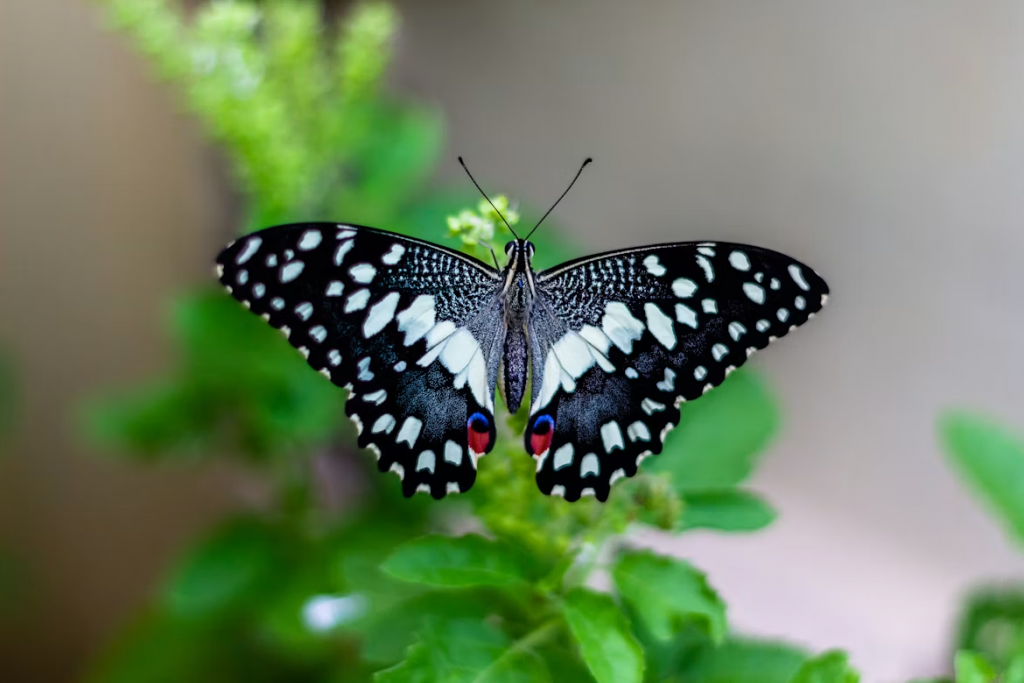
A recent volunteer-led survey has revealed that British butterflies are in danger, with over half a century of data revealing that more than half of the UK’s butterfly species are in decline.
Despite the influx of warmer weather, which typically benefits the species, butterflies who rely on certain plants and habitats to survive have struggled.
From 1976, there have been more than 44 million butterfly sightings scientifically collected in Britain, ranging in a diverse 58 native species.
However, out of these 33 species have taken a recognisable decline, whilst the remaining 25 species have flourished.
Essentially this is due to global heating only benefitting a selection of butterfly species, such as:
- The purple emperor
- Red admiral
- Comma
Rarer species are left vulnerable, as they are dubbed ‘habitat specialist’ butteflies, meaning they rely on specific plants or habitats such as:
- Wetlands
- Woodlands
- Flower-rich grasslands
These environments are under constant pressure, and the lack of availability has left butterflies with unsuitable habitats to colonise in.
This has led to dramatic declines in species such as:
- The high brown fritillary
- Pearl-bordered fritillary
- White-letter hairstreak
The data has been collected by the UK Butterfly Monitoring Scheme, a citizen science project that has collected more than 44 million records over 50 years.
What can you do to support butterfly biodiversity?
1) Plant butterfly-friendly flowers
- Butterflies need nectar from flowers. Try and choose:
- Native plants
- Nectar-rich flowers like lavender, marigolds and daisies
- A mix that blooms from spring to autumn so food is always available
2) Support caterpillars
- Butterflies lay eggs on specific plants that caterpillars eat
- Avoid removing all ‘messy’ plants – some are essential for their life cycle
- For example, nettles support species like the Peacock butterfly
3) Create safe habitats
- Let part of your garden grow wild with long grass
- Leave logs, leaf piles or hedges where butterflies can shelter
- Provide sunny spots – they need warmth to fly
4) Get involved
- Join citizen science projects such as the butterfly count or upskill yourself with our Biodiversity Literacy Training


Sustainably Speaking
Loughborough University Sustainability Blog