Reflecting on STEAM II: Adding Arts to STEM
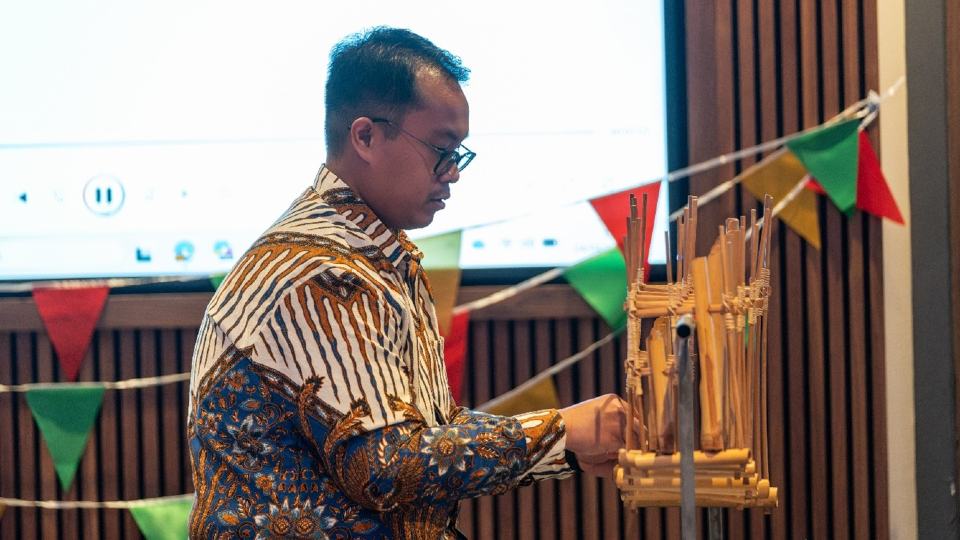
On 24 April 2026, University Teacher Dr Chukwuma Ogbonnaya and collaborating colleagues from Wolfson, AACME, ABCE and the School of Science successfully hosted the second edition of Engineering Dance and Drama titled ‘STEAM II: Adding Arts to STEM’ at Burleigh Court. In this blog post, Chukwuma tells us more about the success of this initiative and the impact it had on members of our University community.
‘STEAM II: Adding Arts to STEM’ was created to bring people together through creativity, culture and collaboration. The idea grew out of a simple belief: that science and engineering are strengthened when they sit alongside the arts. Music, dance, drama, and storytelling offer powerful ways to connect people, celebrate cultural diversity, and create a sense of belonging and a vibrant community.
The first edition of STEAM took place in June 2025 and was designed for staff and postgraduate researchers (PGRs) across the engineering schools. It featured food, music, songs and dance from the UK, China, African‑Caribbean communities and India. The response was overwhelmingly positive, and it was clear that the initiative had struck a chord. As a result, STEAM II expanded to include the School of Science, alongside Wolfson, AACME, and ABCE.
At its core, STEAM II was shaped by the University’s values of Creativity, Collaboration, Authenticity, and Adventure. These values provided a strong framework for both delivery and reflection.
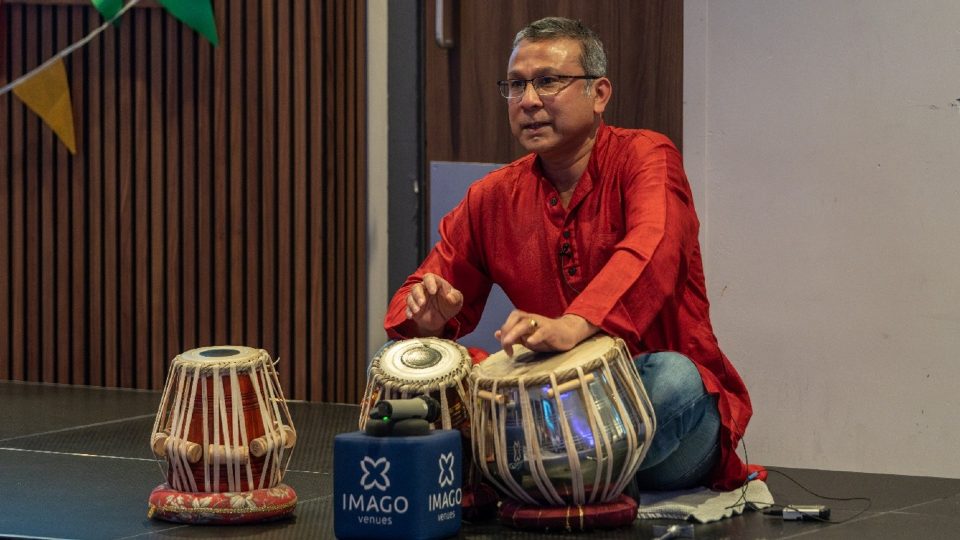
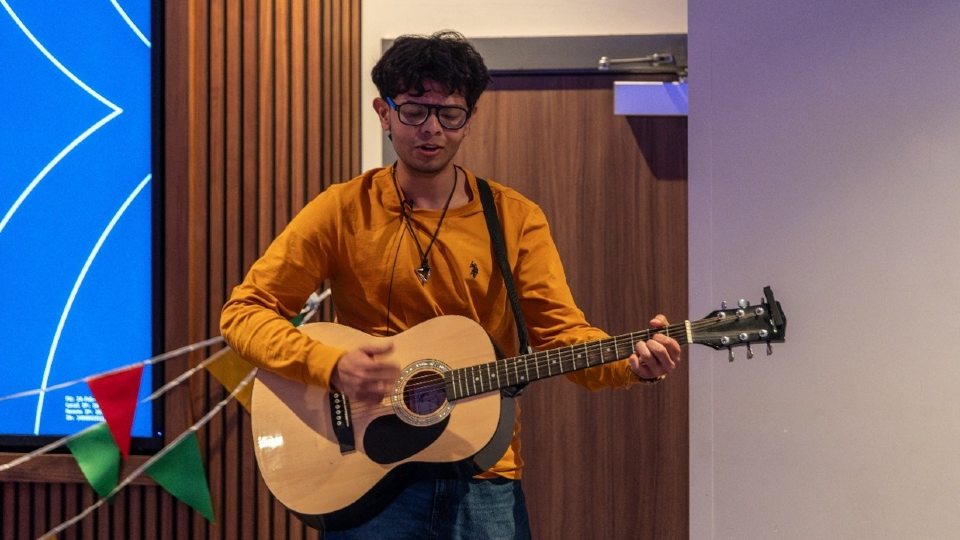
Creativity sat at the heart of the event. STEAM II brought together resources and talents from across four schools and beyond, with staff and PGR students actively contributing ideas, performances, and content. One of the most powerful moments was an improvised musical trio formed by members of staff from India, Bangladesh, and the UK. Without rehearsal or expectation, music became a shared language. Participants noticed this immediately. One person commented that they most enjoyed “playing a song between three people from India, Bangladesh and a piano”, while another described it as “the pinnacle of cross‑culture music and art spirit”. These moments showed how creativity can dissolve boundaries and create genuine, indescribable connections.
Collaboration was another clear strength. The planning and delivery of STEAM II relied on strong teamwork across all four schools. The involvement of the University Choir and Rendell Primary School added a valuable intergenerational and community dimension. Seeing children and University staff perform alongside one another brought warmth and energy into the space. One participant simply said, “I liked the instrumentals and the children singing,” a reminder that collaboration does not need to be complex to be meaningful.
Authenticity was evident throughout the programme. Rather than offering surface‑level performances, STEAM II explored deep cultural heritage through music, instruments, singing and storytelling. The diversity of what was shared mattered to the audience. Feedback such as “the variety of things we got to listen to and sing” showed that people valued both the range and the sincerity of the performances.
STEAM II was also an adventure. Although it was supported by EDI Services funding, much of the process involved uncertainty and trust. The team drew on lessons from STEAM I but remained open to new ideas and outcomes (see the reflection on STEAM I). The success of this approach was reflected not only in participant feedback but also in positive public responses from senior colleagues, including Professors Justin Waring, Sian Adiseshiah, and Claire Warden, who shared encouraging comments on LinkedIn.
One particularly encouraging outcome was an invitation from Professor Claire Warden for me, Chukwuma Ogbonnaya, to speak at an upcoming LU Arts Committee meeting about the STEAM concept. This invitation signals growing recognition of the importance of integrating arts into STEM and opens the door for future collaboration with LU Arts.
Reflecting personally, I am deeply grateful to everyone who made STEAM II possible. Big thanks to the Deans of the collaborating Schools for their support. My thanks go to the STEAM II Working Group, especially Laura Justham, Bhav Mistry, Rebecca Higginson, Hannah Sutcliffe, Karen Blay, Atish Vadher and other members. Eleanor Graff-Baker’s creativity, reliability, and resourcefulness were invaluable. I would also like to thank the University Choir, Rendell Primary School, Dimas Wicaksono, Eyram Tawia, Jiongyi Yan, Diganta Das, and Sarjeel Rashid for their performances. Finally, thank you to Phil Wilson for capturing the moments and memories of the event.
Overall, STEAM II exceeded expectations. It strengthened collaboration, deepened cultural engagement, and opened new possibilities to engage with local schools and the arts community. It demonstrated that when arts and STEM come together, they create meaningful, inclusive, vibrant and memorable experiences that enrich university life.


Equity, Diversity and Inclusion
Reflections, comments, discussion and opinion on EDI topics from Loughborough University staff and students