Why a Year of Reading Needs Cities, Languages, and Copyright
The National Year of Reading: Turning Reading into Habit
This year has been designated the National Year of Reading, and Loughborough University Library is taking part. The campaign aims to help people (re)discover their love of reading. In my blog post last year, The Enduring Magic: Why Books Still Matter in the Digital Age, I touch on the fact that a YouGov poll found that only 40% of Britons have read or listened to a book in the last 12 months.
As today marks UNESCO’s World Book and Copyright Day, I thought I would highlight the joy of reading and why it is more important than ever.

World Book & Copyright Day still matters
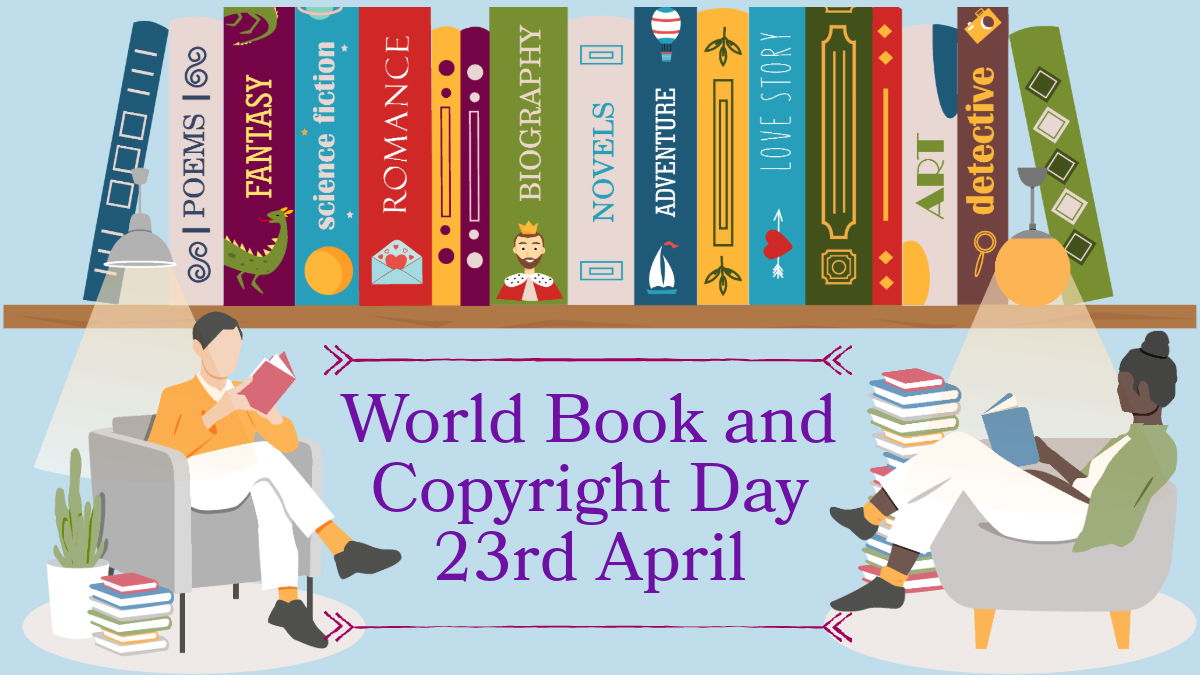
World Book & Copyright Day is a yearly event organised by UNESCO to promote reading, publishing, and copyright. It is celebrated on the 23rd of April, and the first event was celebrated in 1995. You can read more about it in my blog post World Book and Copyright Day 23rd April.
With the rise of AI and our more technologies driven world, books are bridges to lived experiences, doors to new worlds, remember Narnia everyone? And if not, then why not read C.S. Lewis’ The Chronicles of Narnia?! I mean who would not want to have a wardrobe that opens a door to a fantastical world?!
Copyright is an important building piece in the dissemination the wonderful creations of authors. Copyright protects their works from being misused, adapted, changed, or modified in any way. Currently, in the US there are 36 copyright suits by authors against AI copyright infringement. It is widely known that books have been pirated to feed AI systems.
This is our time to fight back against the machines. Switch off from the world, curls up with a good book, some hot chocolate and forget the world for as long as the book lasts.
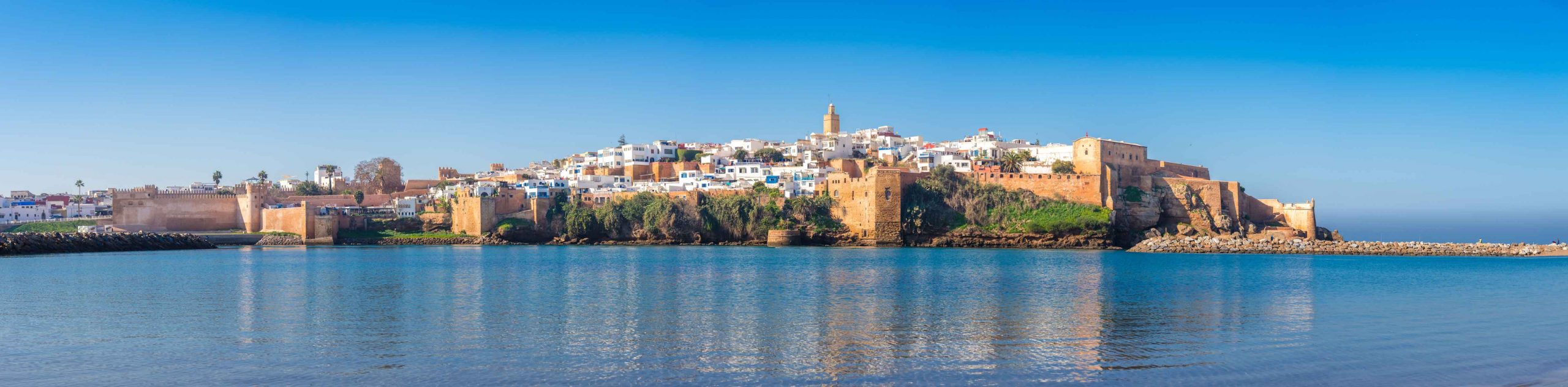
Part of UNESCO’s celebration of World Book and Copyright Day is also the naming of a World Book Capital; this initiative recognizes cities for promoting books and fostering reading. This year, that capital is Rabat.
© Cristina Rusu
Rabat: A City of Books as a Living Story
Rabat is the capital city of Morocco, located on the northwestern coast of the Atlantic Ocean. Unlike Marrakesh, the streets of Rabat tend to be quieter and emptier. This might change with the naming of Rabat by UNESCO as the World Book Capital for 2026. The reason for this is Rabat’s 54 publishing houses, hosting the third largest publishing fair in Africa and boasts a thriving indie bookshop scene. Another reason is Rabat’s clear commitment to literacy, the empowerment of women and young people through reading, and addressing illiteracy in underserved communities.
The year‑long programme will roll out 342 activities spread across 12 themes, with the ambition of taking books beyond traditional cultural spaces and into hospitals, prisons, orphanages, public squares, stations, and transit hubs.
The fair itself is set to host 890 exhibitors from 60 countries, including 320 direct participants and 570 represented exhibitors, showcasing more than 130,000 titles. Alongside the exhibits, the programme will feature over 204 cultural events, bringing together more than 720 speakers, thinkers, and creatives.
France is set as the guest of honour, solidifying the literary and cultural ties between Morocco and France.
Multilingualism: Reading in Many Voices
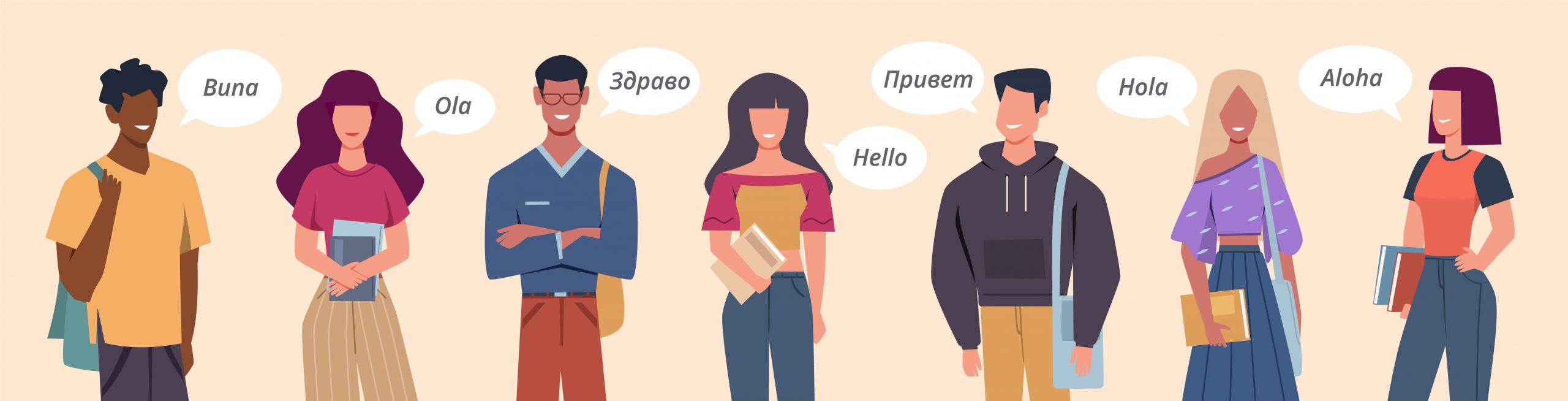
Arabic is the official language of Morocco; however, French is still used widely and with France being the guest of honour for the upcoming book fair, I thought it is important to have a look at multilingualism.
I am multilingual, I speak German, Romanian, English and French. I am also trying to learn Italian and Spanish on Duolingo. I can say My dog does not cook for the family in both those languages…. Growing up, I grew up bilingual, my dominant language was for many years (and apparently still is) German. While my first language was Romanian, I struggled to read in Romanian and preferred German books. Nowadays, I tend to buy books in whatever the writer’s dominant language is. Well, provided I speak that language of course. As an aside, I also prefer subbed foreign movies or series, not dubbed ones, even though I grew up with mainly dubbed films and series (dubbed in German, and yes I know this is confusing) if something needs to be dubbed, I prefer German rather than English. I mean Sailor Moon in English is sooooo cringe.
Why is this important? A report by the National Literacy Trust has found the following:
- Multilingual young people are more engaged with reading than their monolingual peers:
- Nearly 3 in 5 (56.4%) multilingual young people say that they enjoy reading in their free time, which is higher than the percentage of their monolingual peers who say this (46.3%).
- More also read more often in their free time compared with their monolingual peers.
- Multilingual young people also read a greater variety of formats in their free time than their monolingual peers, both onscreen as well as on paper.
- More multilingual than monolingual young people say that they read to learn about new things, new words and new cultures.
Taking this into account through Resolution A/RES/74/135, the United Nations General Assembly declared 2022 to 2032 the International Decade of Indigenous Languages, drawing global attention to the endangerment of many Indigenous languages and encouraging collective action to preserve, revitalise, and promote them.
Copyright as the Quiet Enabler
Copyright plays a crucial role in safeguarding authors’ rights. It gives creators control over how their work is used and enables them to earn income through licensing and royalties. When a book is published, for instance, the author typically retains copyright, preventing others from reproducing or distributing the work without consent.
That protection, however, is not indefinite. Copyright lasts for a limited period (in the UK lifetime of the author plus 70 years), after which works enter the public domain and become freely available for anyone to use. A well‑known example is Winnie‑the‑Pooh: after decades under copyright, the original version of the character has now entered the public domain (I am sure you could not have missed Winnie-the-Poo: Blood and Honey). While this allows wider use of the early material, more recent adaptations remain protected under copyright and other rights.
Relax, have some hot chocolate and curl up with a good book
Make this World Book and Copyright Day a day that you read a book you might not have picked up, especially banned books.
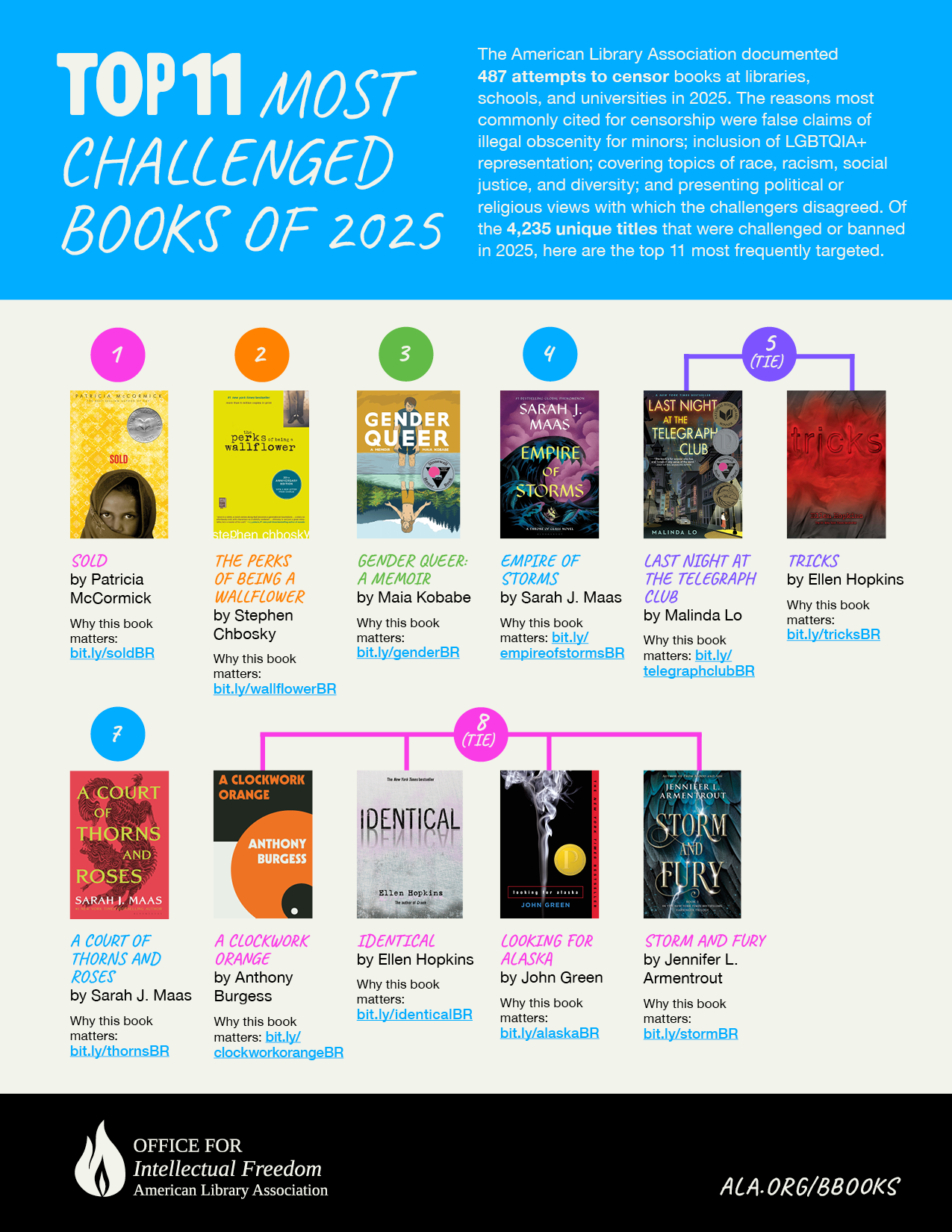
© American Library Association. Banned Books Week is ® American Library Association.
However, you don’t need to only read banned books, Penguin has created a list of the must-read books of 2026.
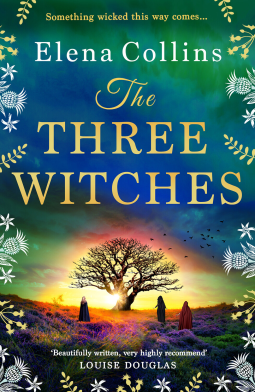
Recently, I read The Three Witches by Elena Collins which is a timeslip novel inspired by Shakespear’s Macbeth, specifically the three witches. As it is a timeslip novel, one-part focusses on the three witches, sisters from 11th Century Scotland while the other timeline focusses on an actress looking for her big break, who is cast as one of the witches in an upcoming documentary about Macbeth and the historical Mac Bethad mac Findláech, King of Alba (Scotland). While there are some historical accuracies, most of it is fiction, however, this has not stopped me wanting to visit Forres and the Witches Stone.
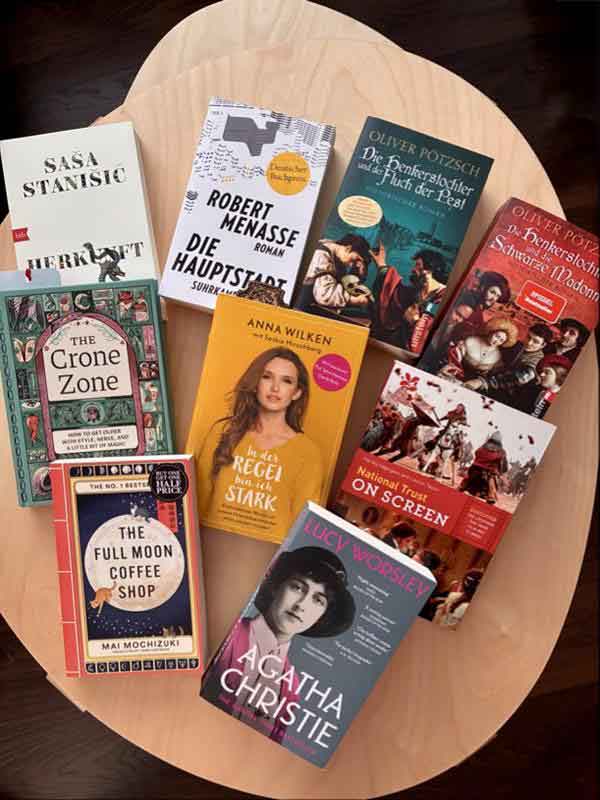
I also have a rather extensive to be read pile, and I keep adding to it. Mainly because, I read depending on my mood and usually have at least three or four books on the go. One of the books on the go is about endometriosis, In der Regel bin ich stark: Endometriose: Warum wir unsere Unterleibsschmerzen ernst nehmen müssen! Written by Anna Wilken, former Germany’s Next Top Model but also someone who like me has been struggling with endometriosis. And yes, if you want to read it, you will need to learn German, but why not. I am a super fan of Agatha Christie, and I enjoyed Lucy Worsley’s book about her. Other books to be read include:
Saša Stanišić – Herkunft (or the English version, Where You Come From)
Robert Menasse – Die Hauptstadt (The Capital)
Oliver Pötzsch– Die Henkerstotcher Saga (The Hangman’s Daughter saga)
Nina Bargiel – The Crone Zone
National Trust On Screen (great to decide what NT places you would like to visit)
Mai Mochizuki – The Full Moon Coffee Shop
© Cristina Rusu
So relax, pick up a book, curl up on the sofa, bed or your designated book chair, have a hot chocolate, coffee or tea, and enjoy!
The information contained in this blog post should be taken as recommended advice or guidance but should not be taken as legal advice. If in any doubt, please seek proper legal advice. Some images licensed from Adobe Stock.


Open Research
Copyright, Open Access and all things Open Research
Join the discussion
5 Comments
Nano Banana AI
I love the point about books acting as bridges to new experiences, especially in our increasingly digital world. It’s a great reminder that reading isn’t just about information, but about imagination and empathy. Celebrating this connection seems more important than ever.
seedream
It’s great to see the emphasis on how copyright protects authors’ work, especially as AI continues to blur the lines of originality. The reminder that books are still vital for imagination and connection—like Narnia—really resonates, especially in a digital-first world. Thanks for highlighting the importance of both reading and the rights that make it sustainable.
qwenart
It’s refreshing to see the conversation around reading still emphasizing the importance of copyright, especially as AI continues to blur those lines. The reminder that books are not just about stories, but also about protecting creators’ rights, really resonates. It’s a timely message as we navigate a digital-first world where the value of original work can easily be overlooked.
AI Music Generator
It’s fascinating to think about how reading connects us to other cultures and experiences, and copyright ensures those stories remain protected. This is especially crucial as AI changes the way content is shared and reused.
aiimagedetector
Thanks for highlighting the vital role copyright plays in protecting authors’ work, especially as AI continues to blur those lines. It’s reassuring to see initiatives like the National Year of Reading promoting not just reading habits, but also the value of intellectual property. The reminder that books are still gateways to imagination and experience—like Narnia—really resonates in our digital age.