World IP Day 2026: Why Sport Is One of IP’s Biggest Playing Fields
Disclaimer: This blog post is for information only. We do not endorse any of the merchandise and we are not affiliated or receive any commission from any companies presented in this blog post.
Why IP Matters in Sport
This World Intellectual Property Day, the theme chosen by WIPO is IP and Sports. This day was launched by WIPO in 2000 to draw attention of how patents, copyright, trademarks and designs impact daily life.
I was never much into sports. I mean I watched the odd football game, mainly because well, with just one TV in the household and a brother and dad who enjoyed football, if I wanted to watch TV, well I had no choice. Football it was. Of course, I also enjoyed gymnastics, and really wanted to be in gymnastics, Nadia Comaneci and her perfect 10 was something to be proud of. Unfortunately for me, I was tall, awkward and ill most of the time.
Nowadays, I still don’t watch sports, but my partner does, so I have no choice but to watch football, golf and rugby. IP drives creativity and innovation and this is especially true in sports. Sport has a global reach, huge commercial value and emotional fan engagement.
Modern sport isn’t just about performance on the field – it’s built on the IP of it.
The IP Rights at Play in Sport
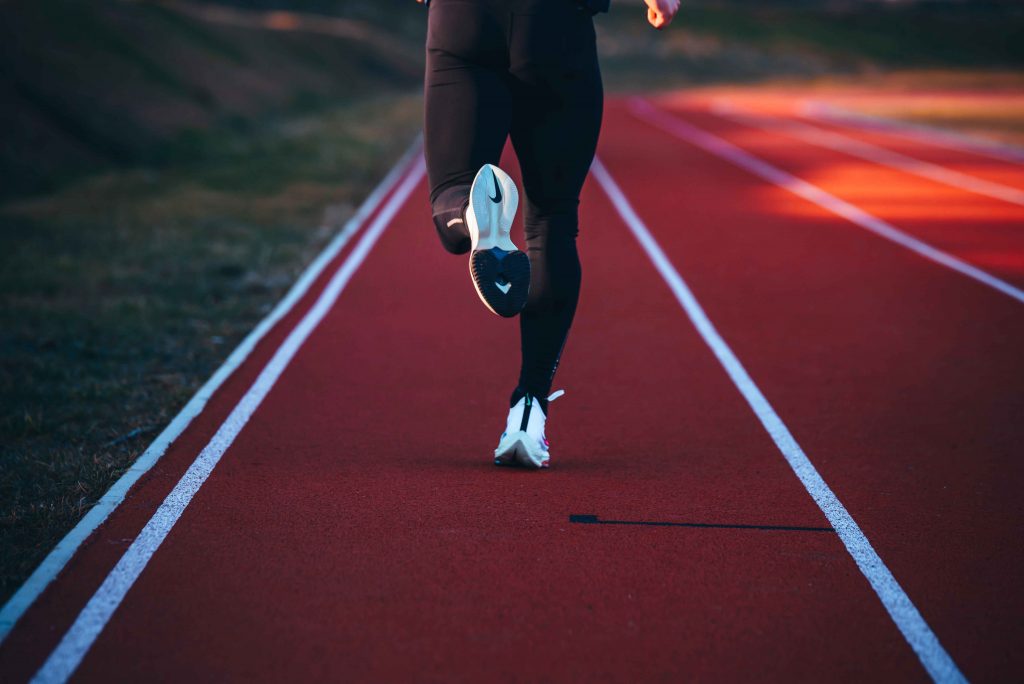
Last year’s World IP Day theme was IP in Music and we looked how different IPs intersect, same goes for IP in sports. Let’s take a sports shoe for example: patents protect the technology used to create the shoe while designs protect the look of the shoe. Trademarks distinguish it from other makes of similar looking shoes while copyright protects any artwork or ad created to sell the shoe. As can be seen, multiple Ips can overlap in protecting a single sport product.
Trademarks: The Heart of Sporting Brands
Real sport fans will have in their possession branded shirts or scarves, hats or any other merch available for their favourite team. If you like multiple types of sports, let’s say football and hockey, you might own two very different shirts. For example, I used to own a Chicago Bull T-Shirt, even though I have never been to Chicago nor have I ever seen them play, but I did like their logo. And the T-Shirt was really comfy, bought from a thrift shop and lasted well over 25 years. The good old times when clothes didn’t fall apart after one wash. Anyway, that is the subject of a future blog post.
The red bull logo for the Chicago Bulls? Trademarked. Just Do It? Trademarked. The Premier League? Trademarked. I am sure you get the gist by now. Club crests, kit sponsorships, rebrands and logo exceptions, merchandising, all of these would be protected by trademark.
Celebrities can also protect their name as trademark. Rory McIlroy for example, has secured trademark protection for his name in both the UK and the EU (EUTM). At the top of the ranking is Kylian Mbappé, with 15 EU trademarks (his name, his famous goal celebration, quotes…). Lamine Yamal and Lionel Messi, with 7 EU trademarks each are right behind.
Trademarks turn loyalty into long-term commercial value.
Editorial use only. Adobe Stock image.
Copyright: Broadcasting, Content and the Fan Experience
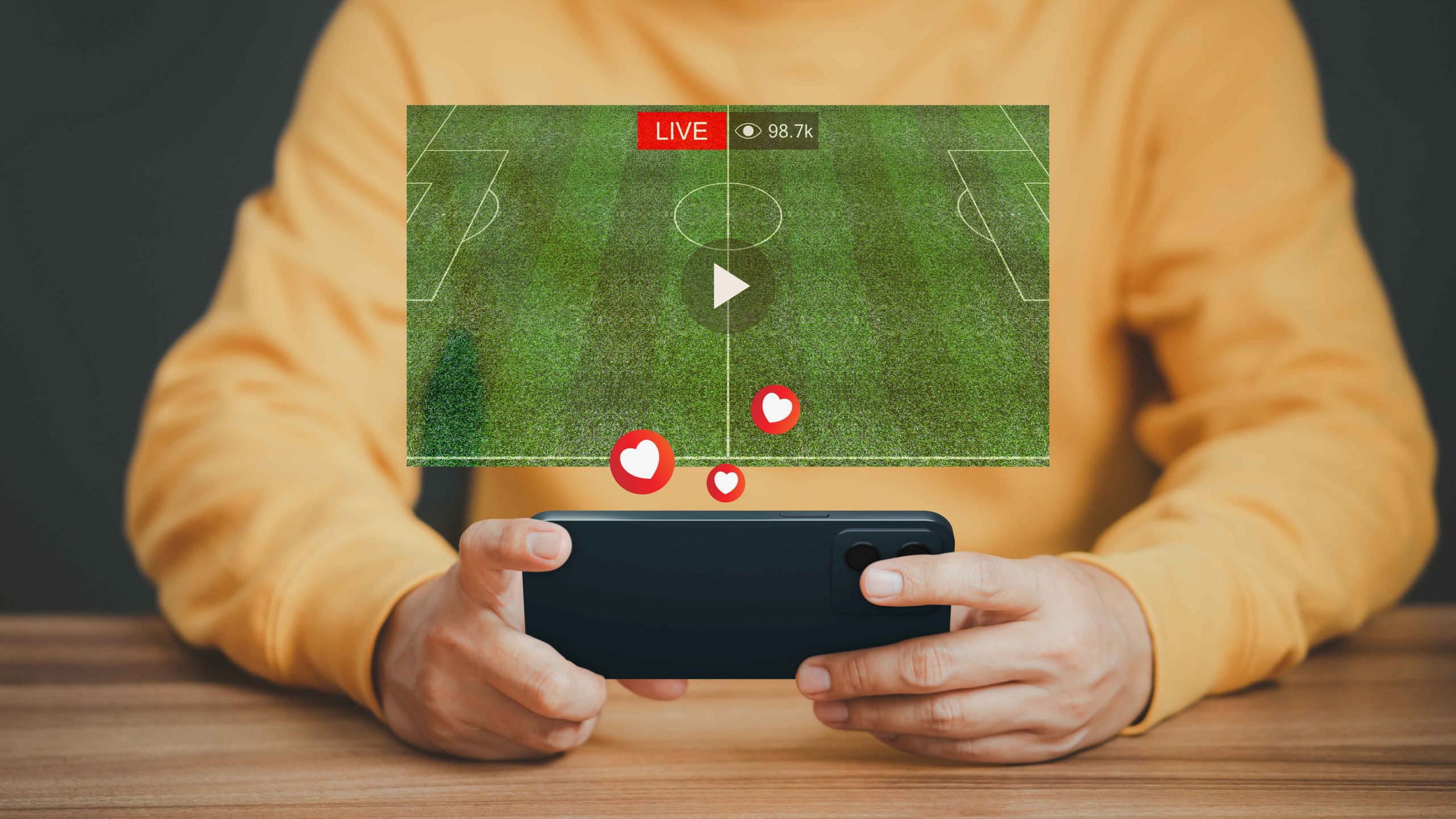
I will do my best not to ruin sports broadcasting for you, but copyright and other related rights, have a say in how television and other media can broadcast sports. Did you know that television and other media pay out huge sums of money in licensing to be able to broadcast top sporting events, like the Olympics, the Five Nations or the Masters. (If you have no clue what I am talking about, with the last two it’s rugby and golf)?!
Sports broadcasting covers multiple media platforms, each contributing to how audiences access live events. Television remains the most valuable medium, with broadcasters securing exclusive territorial rights to attract large audiences and generate revenue. Radio continues to be important, especially where TV or internet access is limited, preserving live sports commentary traditions. Digital streaming, including mobile and on‑demand services, has significantly reshaped sports consumption by allowing fans to watch live matches, replays, and highlights anytime and anywhere. Together, these platforms broaden global access to sports while raising ongoing challenges around rights management, exclusivity, and piracy.
Media rights are commonly divided by territory, with broadcasters purchasing either domestic or international rights. Territorial exclusivity allows rights holders to tailor pricing, coverage, and marketing to specific regions, while ensuring broadcasters control live distribution and related revenues. Domestic rights typically hold the highest value due to strong local demand, whereas international rights help expand global reach. The rise of streaming platforms has added complexity, often requiring geoblocking to prevent access outside licensed areas and protect regional exclusivity agreements.
This is why some Premier League (PL) games are not shown in the UK. Fair? Well debatable. Here are the key issues territorial media rights create for fans:
- Restricted access due to geoblocking
Fans may be unable to watch matches while travelling or living abroad, even if they subscribe to a service in their home country. - Fragmented viewing experience
Different competitions or even matches within the same league may be split across multiple broadcasters, forcing fans to pay for several subscriptions. - Higher costs for fans
Exclusive regional rights often drive up subscription prices, making it expensive to follow a team or sport consistently. - Inconsistent availability and coverage
Some regions receive limited broadcasts, fewer matches, or lower-quality coverage compared to others. - Delayed or unavailable content
International fans may face delayed access to highlights or replays, reducing engagement and increasing reliance on unofficial sources. - Encouragement of piracy
When legal access is restricted or overpriced, fans may turn to illegal streams, exposing them to poor quality, security risks, and legal consequences.
Overall, while territorial exclusivity benefits rights holders and broadcasters, it can reduce convenience, affordability, and fairness for fans, especially global and mobile audiences.
Copyright underpins how fans watch, share and engage with sport.
Design Rights: Protecting the Look of the Game
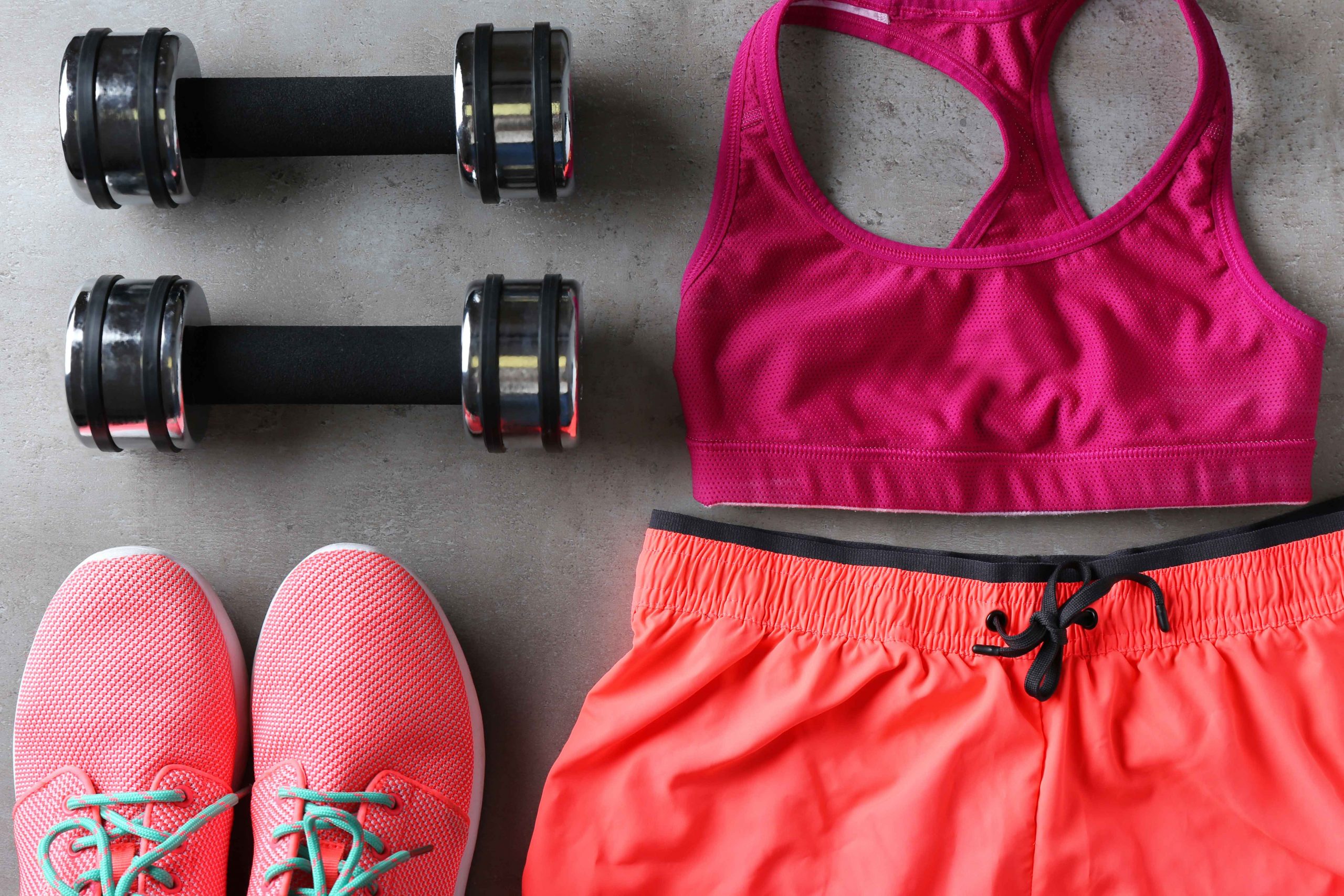
Now as I mentioned, I might not watch sports, but I do exercise, while not the same, design in athletic wear and / or equipment is important. For example, for athletes and regular people who exercise, a good sports bra is a must, as are good running shoes, home or gym equipment, and so on. Good design and good equipment reduces the risk of injury and can look good as well. I mean, you do have to look good when exercising.
Design plays a significant role in sport, influencing both appearance and performance. As new materials are developed, design innovations soon follow, shaping products such as athletic footwear, sports bags, and performance apparel including swimsuits, gym wear, and tennis clothing.
Sportswear and equipment manufacturers frequently collaborate with fabric producers to address specific performance challenges. Innovations like GORE‑TEX® transformed protective outerwear, while modern sports kits have become lighter, more flexible, and more comfortable. Advanced fabrics such as X‑Static®, which incorporates silver fibers, help regulate temperature and moisture to enhance comfort. Other high‑performance materials provide insulation and protection against wind and water, which is particularly important for athletes competing in cold environments.
Design rights protect the visual appearance of products and can be either registered or unregistered. Registered design rights provide stronger legal protection by formally recording the design, giving the owner exclusive rights for up to 25 years and making enforcement easier. In contrast, unregistered design rights arise automatically without registration but offer more limited protection and shorter duration, and infringement must be proven through evidence of copying. While unregistered rights can be useful for early or short‑lived designs, registration offers greater certainty and protection against imitation, particularly in competitive markets.
Fast fashion has also increasingly influenced athletic wear by making sports clothing more affordable, trend‑driven, and widely accessible, but this shift comes with significant drawbacks. Rapid production cycles allow consumers quick access to fashionable sportswear, encouraging innovation and lowering prices, yet often at the expense of durability and performance quality. The emphasis on speed and low cost contributes to overconsumption, with functional garments frequently discarded as styles change. This model also raises serious ethical and environmental concerns, including waste generation, resource depletion, and questionable labour practices. While some established sportswear brands are responding with more sustainable materials and long‑lasting designs, the challenge remains to balance affordability, performance, and ethical responsibility in a fast‑fashion‑driven market. If you wish to be more sustainable, and I would advise we all are, you can use the good on you website or app to choose more ethical and sustainable brands and products.
Patents and Sports Innovation
Technology plays a central role in modern sport, with ongoing innovation driving improvements in performance, safety, and fan engagement. According to the World Intellectual Property Organization (WIPO), sports technologies, ranging from footwear and apparel to equipment, training systems, and performance‑tracking tools, are often protected through patents, which safeguard new inventions for up to 20 years. Patents encourage innovation by preventing unauthorised use while also promoting the wider diffusion of technology through licensing. This system enables manufacturers to invest in advanced materials, precision equipment, and data‑driven technologies that enhance athlete performance, reduce injury risk, and improve the sporting experience worldwide.
For example, the smart watches that some people wear (I have one, just upgraded actually) can tell a lot about people’s performance during exercise but also track different exercises and help (in some cases) people avoid injuries created by overexercising. Apple Watch Series 11 (I own this one) for example, can give you insights into possible hypertension. The Vitals app is interesting. I was ill a while ago and my vitals were all over the place, my breathing was bad, my temperature was high, my blood oxygen was low and my sleep, well, that was nonexistent. It correctly postulated that I have a cold.
Peloton has a feature called Peloton IQ, which helps you with keeping proper form during exercising, which is especially needed during weight training. (No endorsement of Peloton or Apple Watch, but through ads I knew Peloton has this feature).
Here are clear examples of patented sports technologies, based on those commonly highlighted by WIPO and the wider sports‑technology industry:
- Advanced sports footwear and apparel – Innovations such as energy‑return running shoes, aerodynamic swimsuits, and temperature‑regulating fabrics are frequently patented to protect new materials and construction methods that enhance performance and comfort.
- High‑performance sports equipment – Patents cover technologies used in items like lightweight tennis rackets, carbon‑fiber bicycles, aerodynamic surfboards, footballs, golf clubs, and bobsleds, all designed to improve speed, control, and safety.
- Protective and safety gear – Impact‑absorbing helmets, padding systems, goalkeeping gloves with anti‑slip coatings, and protective prosthetics for para‑athletes are patented to reduce injury risk while maintaining performance.
- Training and performance‑tracking technology – Devices such as smart wearables, motion‑tracking systems, precision timing equipment, and performance‑analysis software are patented to measure speed, endurance, biomechanics, and recovery.
- Specialist and adaptive sports technologies – Patented innovations also include aquatic wheelchairs, starting blocks, gym equipment, and rehabilitation tools designed to improve accessibility and training efficiency across different sports.
Together, these patents protect innovation, encourage investment in research and development, and allow sports technology companies to license their inventions while improving performance and safety for athletes at all levels.
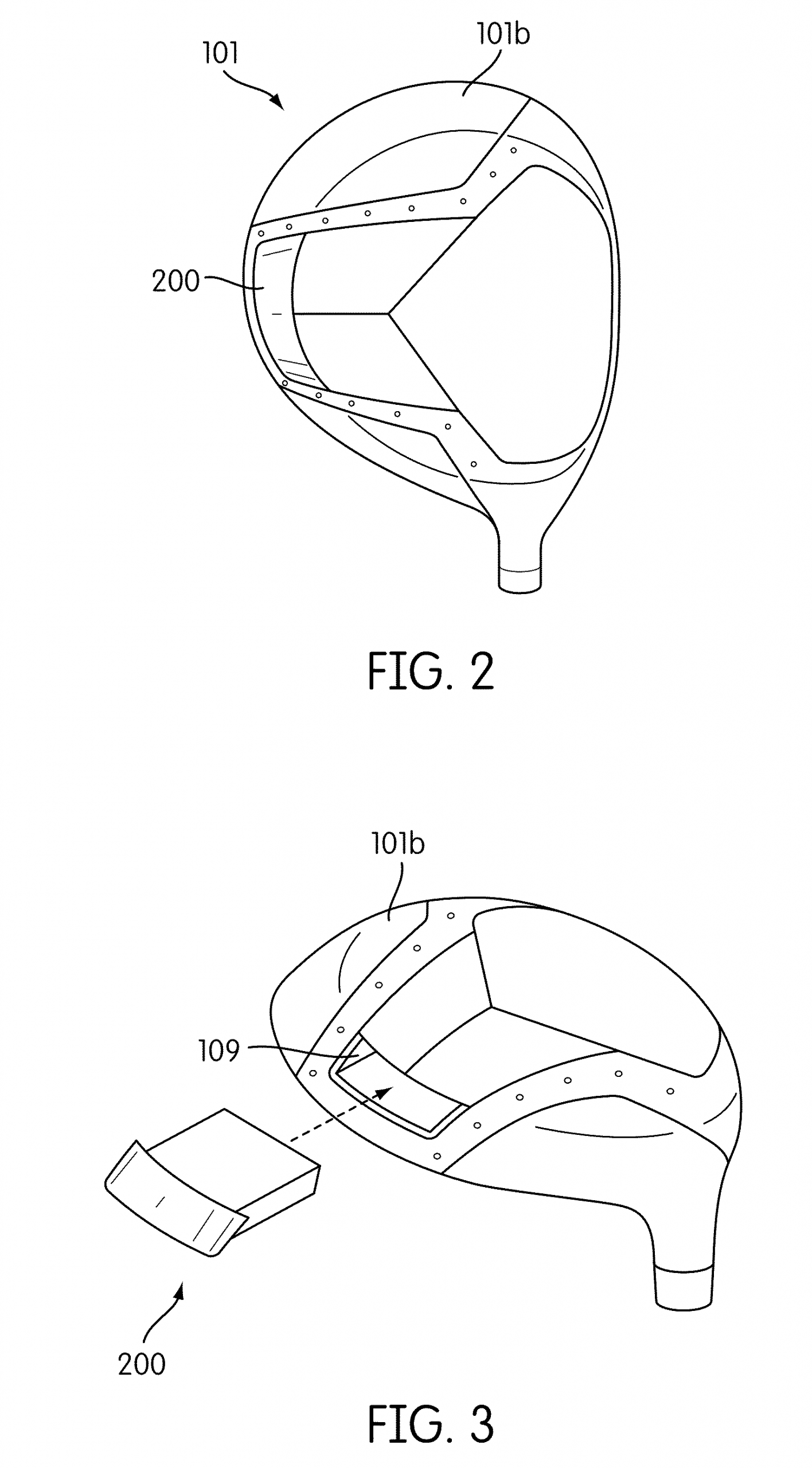
Image Rights and Personality in Sport
Many elite athletes use intellectual property (IP) protection strategically to develop, control, and preserve their personal brands beyond their sporting careers. Across a wide range of sports, both contemporary stars and legendary figures have registered EU trademarks to manage commercial ventures and protect their long‑term legacy by securing rights over their names, logos, and distinctive imagery.
In football, prominent players such as Kylian Mbappé, Lamine Yamal, Cristiano Ronaldo, Lionel Messi, and Ewa Pajor, alongside icons including Pelé, Diego Maradona, and George Best, have all taken steps to protect their identities—sometimes extending this protection to signature celebrations or poses. A similar approach is evident in basketball, where athletes like Luka Dončić, Victor Wembanyama, Stephen Curry, and LeBron James follow the branding pathways established by figures such as Michael Jordan and Shaquille O’Neal. Tennis players, including Carlos Alcaraz, Novak Djokovic, Iga Świątek, Serena Williams, Rafael Nadal, and Roger Federer, also actively safeguard their brands, while athletes from other disciplines—such as Mondo Duplantis, Tadej Pogačar, Carolina Marín, and Max Verstappen—use IP rights to expand their commercial presence and influence beyond sport.
Brands and clubs face several legal and commercial risks when using athlete images, particularly where intellectual property and personality rights are not carefully managed. Using an athlete’s image, name, or likeness without proper consent can lead to disputes over image rights, trademark infringement, or breach of endorsement agreements. Even where permission exists, reputational risks may arise if an athlete becomes involved in controversy (remember O.J Simpson anyone?), potentially damaging the brand or club by association. In addition, unclear ownership of image rights, especially where athletes, clubs, leagues, and sponsors all have competing interests can result in costly legal conflicts and undermine commercial partnerships if rights are not clearly defined in contracts.
Enforcement and Integrity: Protecting the Value of Sport
Illegal streams, counterfeit merchandise, infringement of athletes’ images are all issues that can happen in sport and have a detrimental effect on both the sport industry as well as fans. In Europe for example, European authorities are continuing to combat organised crime connected to counterfeiting and piracy within the sports industry.
In 2024, the Europe‑wide EMPACT Operation Fake Star led to the discovery and seizure of over eight million counterfeit luxury and sporting items, including large volumes of fake sportswear, footwear, and branded labels. The operation resulted in 264 arrests and underscored the significant involvement of criminal networks in this trade.
Alongside enforcement efforts, the EUIPO, through the European Observatory on Infringements of Intellectual Property Rights, continues to monitor counterfeiting and piracy trends and supports awareness initiatives encouraging consumers to choose legal content and genuine products.
The sale of counterfeit sports equipment has a significant economic impact across the EU. EUIPO estimates indicate annual losses of around €851 million, representing approximately 11% of total sector sales. France, Austria, and the Netherlands bear the greatest financial losses, each losing hundreds of millions of euros. In relative terms, the impact is most severe in Romania, Lithuania, and Hungary, where counterfeit sports goods account for up to 20% of all lost sales in the sector.
While some might not be upset of brands losing money, buying counterfeit merchandise also poses health risks as they fail to comply with safety and environmental protection standards, you can read more about that in Dangerous Fakes Trade in counterfeit goods that pose health, safety and environmental risks, report by OECD and EUIPO.
IP rights are effective but not absolute tools for protecting innovation, brand value, and commercial interests. Their main strength lies in the legal exclusivity they provide: trademarks, designs, patents, and copyright give rightsholders clear grounds to prevent unauthorised use, take enforcement action, and work with customs authorities to seize infringing goods. They also act as a strong deterrent, since registration signals ownership and increases legal risk for infringers.
However, their effectiveness depends heavily on enforcement. IP rights do not enforce themselves; they require monitoring, legal action, and often significant financial resources. In fast‑moving or global markets, such as sportswear or digital media, piracy and counterfeiting can still flourish, especially across borders where enforcement varies. Online infringement further weakens effectiveness, as illegal content can be shared rapidly and anonymously.
Overall, IP rights are most effective when combined with active enforcement strategies, international cooperation, clear licensing agreements, and consumer awareness. While they cannot eliminate piracy entirely, they remain essential in reducing infringement, protecting investment, and supporting innovation and fair competition.
For more information on IP and sports why not have a look at WIPO’s Reference Guide to Sustaining Sport and its Development through Intellectual Property Rights?!
The information contained in this blog post should be taken as recommended advice or guidance but should not be taken as legal advice. If in any doubt, please seek proper legal advice. Some images licensed from Adobe Stock.


Open Research
Copyright, Open Access and all things Open Research
Join the discussion
4 Comments
rekayasa industri
What material innovations do you think are most promising for reducing environmental impact without compromising athlete performance? rekayasa industri
Cristina Rusu
I am more knowledgeable in certain fabrics rather than other type of material, so for example using modal in activewear. Other low-impact materials can be recycled polyester, organic cotton, bamboo viscose, or hemp. I think trying to use sustainable materials or recycled materials, is the best way forward.
qwenart
Thanks for highlighting how IP plays such a crucial role in modern sports — it’s fascinating to see how patents, designs, and trademarks work together to shape everything from athlete endorsements to fan experiences. Your point about sport being a global platform where IP drives both innovation and emotional engagement really resonates, especially as we continue to see more brand collaborations and tech advancements in athletics.
demumu
It’s fascinating to see how IP plays such a critical role in sports, not just in terms of branding and marketing, but also in driving innovation—like the tech behind performance gear or the design of iconic uniforms. The way the blog highlights the intersection of patents, designs, and trademarks really underscores why sports are such a rich field for IP discussion. Thanks for shedding light on this often-overlooked connection.